School programs
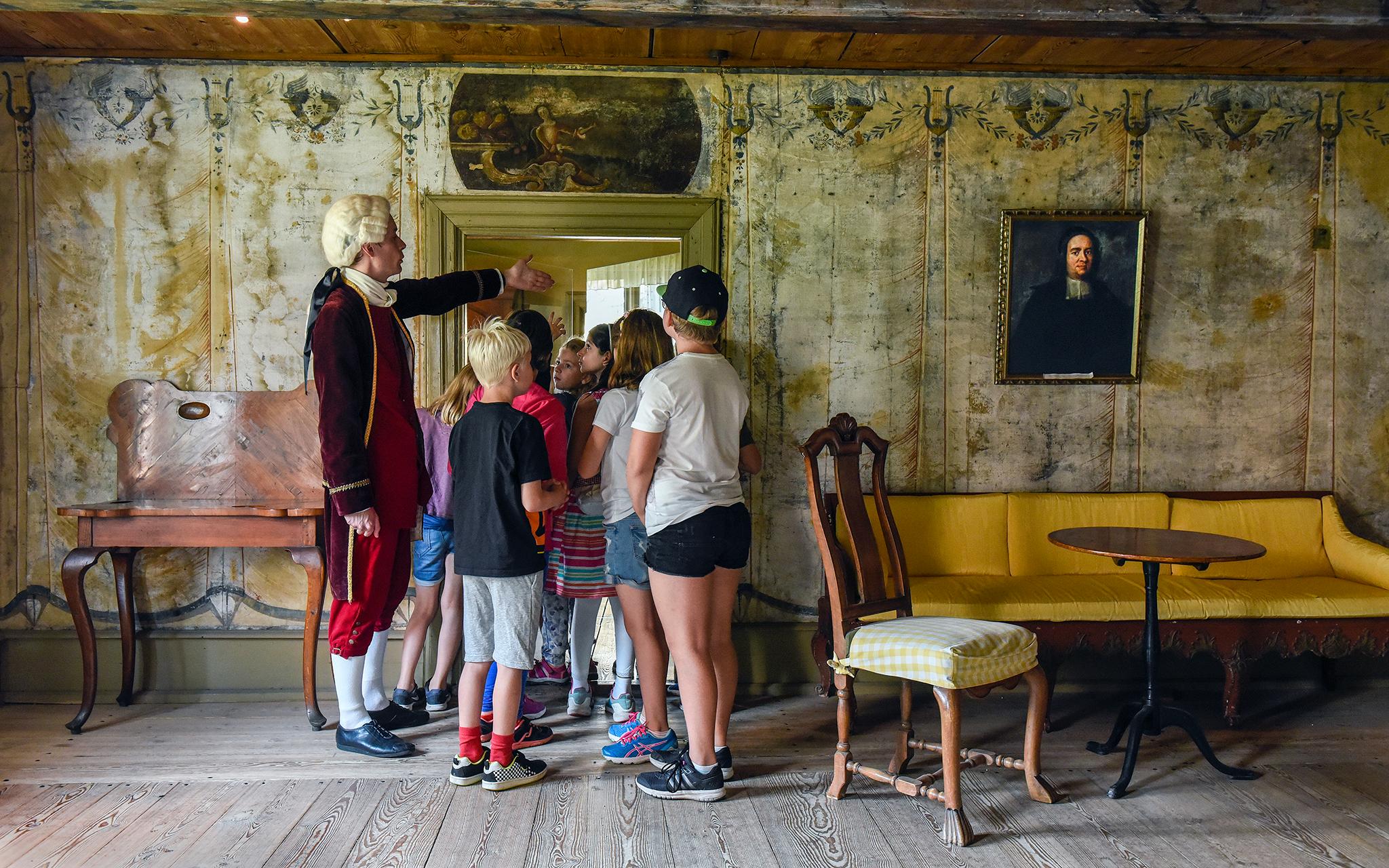
School Programs 2026
We offer many different tours at the Museum in Lund, both in our exhibitions and in our historical houses. The school program is updated each semester. We also offer tours at our other destinations, Kulturen's Östarp and the Museum of Life. Further down the page, you see all the school programs we offer for the autumn semester 2026.
School groups have free entry
When you come as a group from a preschool, primary school, high school, folk high school, adult education, SFI or university/college, entry is free for both students and accompanying school staff.
This also applies to schools outside of Lund municipality.
We ask you to book your visit in advance via our booking service.
Prices for our school tours
Tours at Kulturen in Lund on weekdays before 4 PM
45 minutes 950 SEK
60 minutes 1 150 SEK
90 minutes 1 900 SEK
Language supplement: For guidance in English or German, we charge a language supplement of 250 SEK.
Tours at Kulturen's Östarp on weekdays before 4 PM
Tour 45 minutes 1 150 SEK
Tour 60 minutes 1 400 SEK
Language supplement: For guidance in English or German, we charge a language supplement of 250 SEK.
Tours at the Museum of Life
Tours at the Livet's Museum are free for school groups.
We can come to you!
Kulturen can also visit you. For about 45 minutes, we offer programs for different age groups. Themes are determined in consultation with our booking service.
Lecture weekdays before 4 PM – 3 500 SEK
Lecture weekdays after 4 PM and weekends – 4 900 SEK
Travel allowance within Lund 70 SEK
Travel allowance other regions 34 SEK/mile
Contact our booking service
Contact our booking service via email or phone to book a tour. You can also fill out our booking inquiry form online at your convenience.
Please also contact us if you want to visit Kulturen in Lund on your own with a school group. Notify us by Wednesday the week before your visit, so we can ensure there are no clashes with other groups.
Please note that all school visits must be booked in advance and be teacher-led. You can reach our booking via bokning@kulturen.com or 046-35 04 32 Monday–Friday 9 AM–12 PM.
School Program Fall 2026
Christmas Traditions
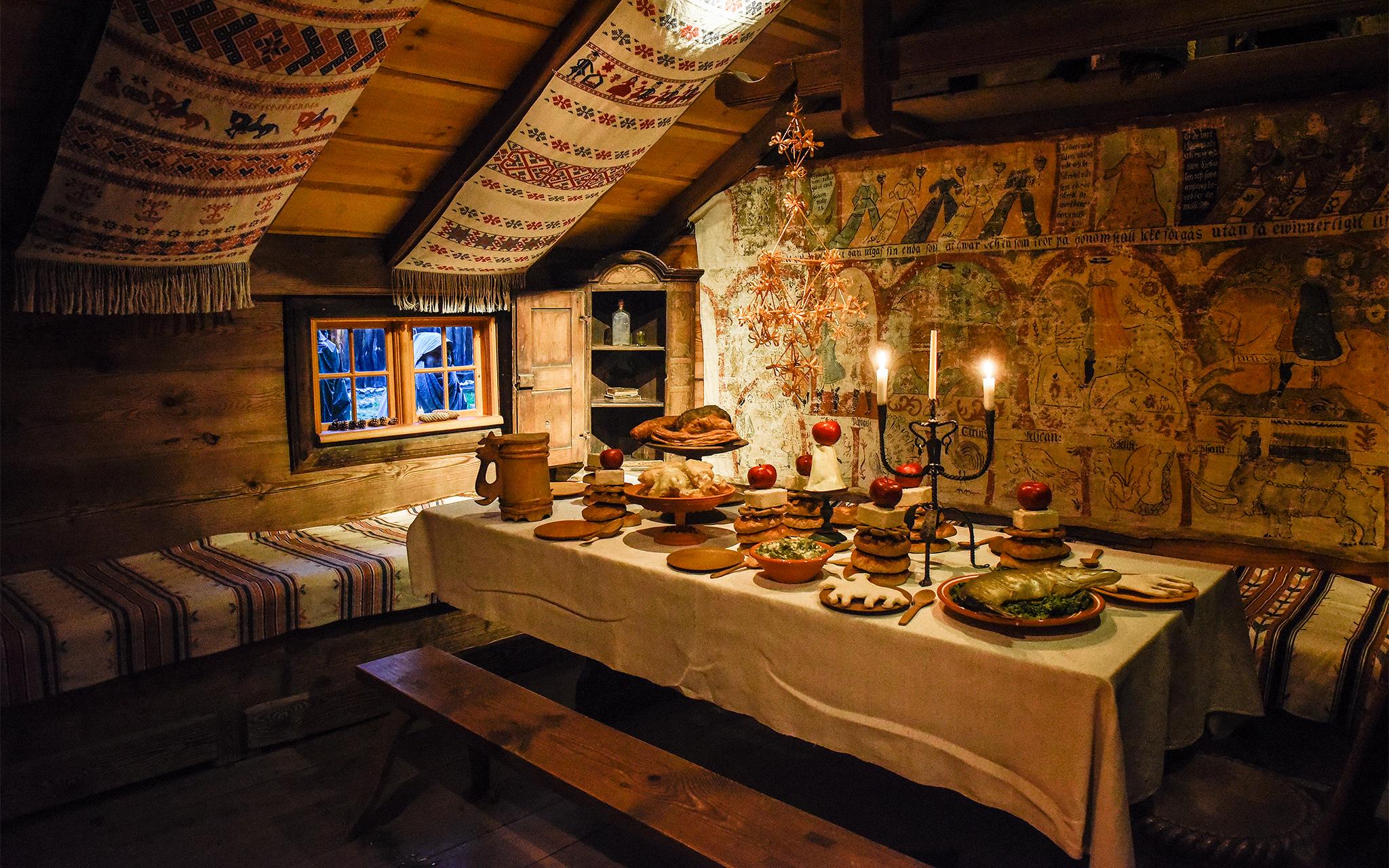
In a fun and engaging way, we explore why we celebrate Christmas and how today’s Christmas traditions came to be. At the Blekinge Farmhouse, we experience Christmas as it was celebrated in the past, in the old agrarian society. The Christmas table is set, the festive food has been prepared, and the cottage has been cleaned and decorated.
At the Thomander House, we encounter a real novelty of the time: a large and splendid Christmas tree. Here, we talk about how a middle-class family might have celebrated Christmas in the 1840s.
Target group: adapted to the age of the participants
Duration: 45 minutes
Maximum group size: 30 students
Price: SEK 950

The Exhibition 2 Twenties
In the exhibition 2 Twenties, we take a deep dive into the 1920s, a decade that in many ways marked the beginning of modern society. The exhibition explores significant developments in areas such as social change, technology, science, media, culture, and consumerism. It also highlights women who played important roles in shaping this transformative era.
Through objects from our collections, photographs, films, and immersive displays, the exhibition paints a vivid picture of the 1920s. On the one hand, visitors encounter avant-garde ideas in art, fashion, and design; on the other, they discover the harsher realities of inadequate housing and economic hardship faced by many. By reflecting the 1920s through the lens of the 2020s, the exhibition also encourages visitors to consider parallels with our own time.
During the educational programme connected to 2 Twenties, students explore different themes presented in the exhibition before comparing the 1920s with our own 2020s. What are the similarities and differences? Did people in the 1920s view the future and its challenges in the same way that we do today?
Target group: Lower secondary and upper secondary school students
Duration: 60 minutes
Maximum group size: 30 students
Price: SEK 1,150
Curriculum links: Lgr22, p. 32: Art (image analysis) Lgr22, pp. 183–184: History (societal transformations, imperialism and the world wars 1850–1950, democratization and increasing globalization) Lgr22, pp. 198–200: Social Studies (individuals and communities, decision-making and political ideas, information and communication)
The Search for the Middle Ages
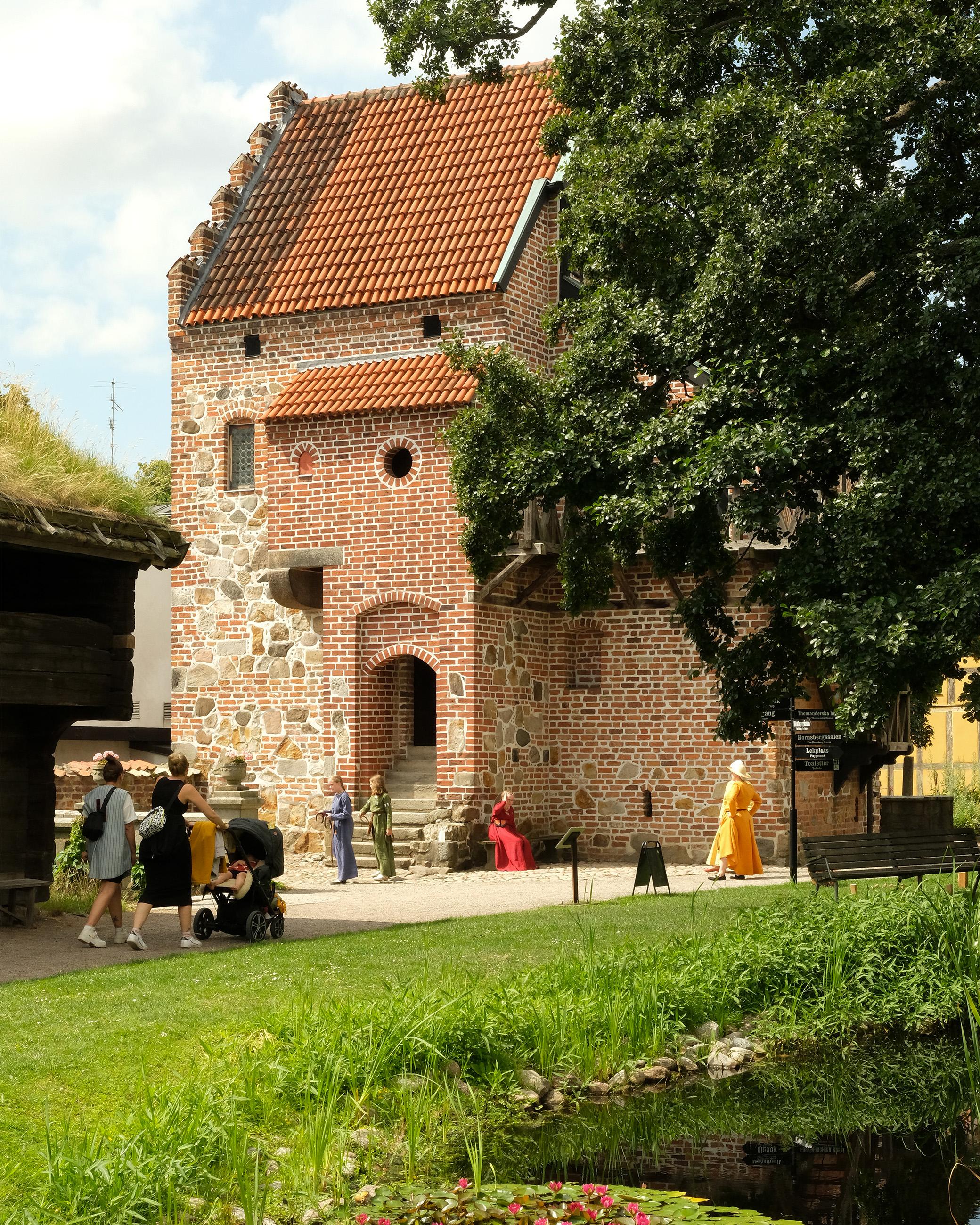
This guided tour takes us back to the fascinating Middle Ages, when Lund was a powerful ecclesiastical city. We begin in the exhibition Metropolis – Lund and the Middle Ages, where we explore how the city functioned and what life was like for medieval residents of Lund. Among the highlights is a rich collection of objects excavated by Kulturen’s archaeologists in Lund over the past 130 years.
We then continue to the medieval Dean’s House, where students work with archaeological finds and learn about historical spices. In small groups, students also visit the second floor, which has been furnished to reflect a priest’s residence in the early sixteenth century.
Target group: Age-adapted tour
Duration: 75 minutes
Maximum group size: 25 students
Price: SEK 1,150
Curriculum links: Lgr22 History, p. 180 ff.
Guided Tour of Metropolis – Lund and the Middle Ages
The exhibition "Metropolis – Lund and the Middle Ages" begins in the late tenth century, when belief in the Nordic gods gradually gave way to Christianity. It was at this time that people started to settle in the place that would become known as Lund.
Lund was part of the Danish kingdom and grew into an important religious centre during the Middle Ages. The city was home to an archbishop, a metropolitan, who held authority over the entire Nordic church province. As a result, Lund became the most church-dense city in the Nordic region. Many different professional groups were drawn to the city to meet the demand for goods, services, and skilled craftsmanship.
The tour tells the story of the city’s centres of power, but also of everyday life for ordinary people. What kinds of work did residents do, and what crafts were practised in the city? We explore pilgrimage routes and the extensive international connections that linked Lund to the wider world. Visitors will also learn about various saints and discover individual life stories from the period.
Join us on a journey through Lund’s development from the tenth century to the seventeenth century through the objects that surrounded medieval people in their daily lives. The exhibition showcases a remarkable collection of artefacts excavated in Lund by Kulturen’s archaeologists over more than 130 years.
Target group: Age-adapted tour
Duration: 45 minutes
Maximum group size: 30 students
Price: SEK 950
Curriculum links: Lgr22 History, p. 180 ff.
Exhibition: Metropolis – Lund and the Middle Ages
Homes and their people
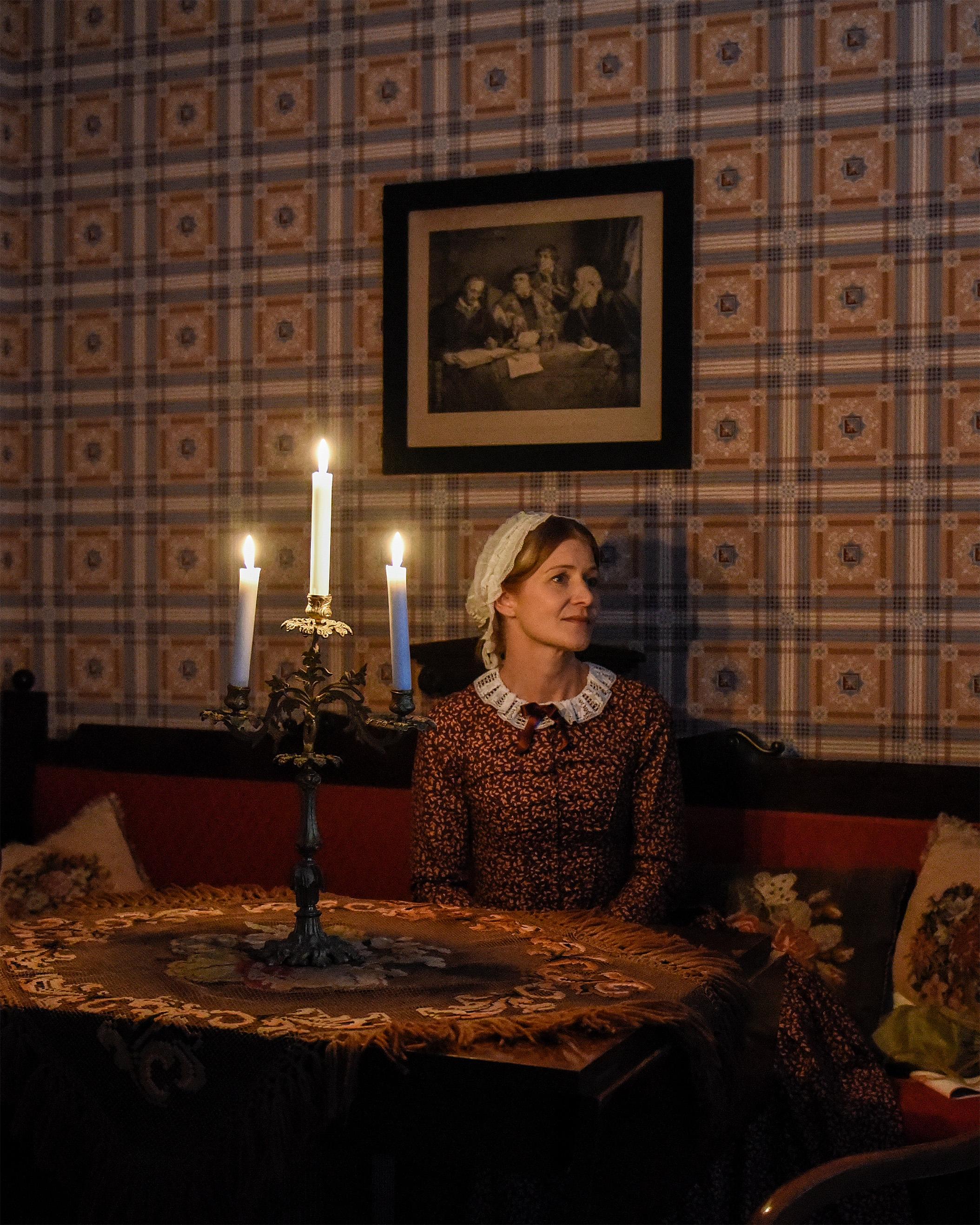
Kulturen’s open-air museum features a wide variety of historic buildings dating from the Middle Ages to the twentieth century. These houses were once home to people from many different walks of life, including deans, painters, priests, tenant farmers, professors, and fencing masters. Some buildings come from the countryside, others from the city, and a few originate from other regions of Sweden.
During the tour, we visit selected houses and learn about the people who once lived there. What was life like for the Andersson family in the 1930s workers’ housing? What was it like to grow up in the Thomander professor’s family? How did people work, eat, and sleep on the prosperous Blekinge farmhouse? The tour provides a fascinating and varied insight into the lives of people from different periods and social backgrounds.
Target group: Age-adapted tour
Duration: 45 minutes
Maximum group size: 30 students
Price: SEK 950
Curriculum links: Lgr22 History, p. 180 ff.
Young in the Past
What was it like to be a child at the Blekinge Farmhouse in the early nineteenth century? What chores were children expected to help with, what were their homes like, and what did they play with? How did life differ between a child growing up in a farming family in the countryside and one growing up in the Thomander professor’s family in Lund?
We visit several of the houses in the open-air museum and discover what it was like to be young in the past. Throughout the tour, we compare different periods and ways of life.
Target group: Age-adapted tour
Duration: 45 minutes
Maximum group size: 30 students
Price: SEK 950
Curriculum links: Lgr22 History, p. 180 ff.
Hygiene and Health
This tour explores how attitudes towards hygiene and health have changed from the Middle Ages to the present day, with a particular focus on the last 300 years. Using different historical environments in the open-air museum as our starting point, we discuss a variety of living conditions, including what people ate, how often they bathed, when toothbrushing became common, and much more.
These topics are examined through the perspectives of social class, gender, and geographical location.
Target group: Lower secondary and upper secondary school students
Duration: 45 or 60 minutes
Maximum group size: 30 students
Price: SEK 950 (45 minutes), SEK 1,150 (60 minutes)
Curriculum links: Gy11 History, p. 66; Health and Social Care Programme, Degree Objectives, p. 40.
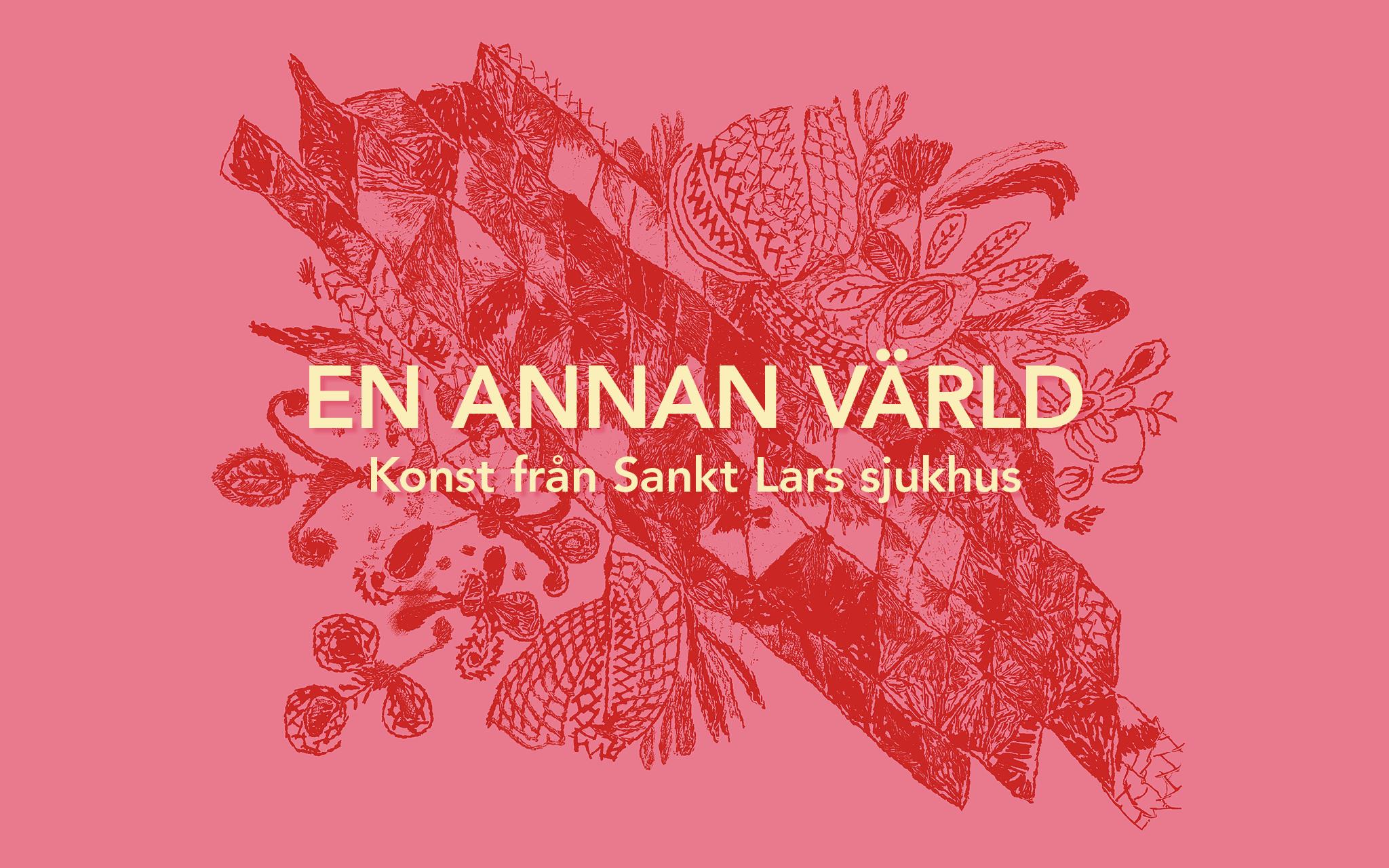
Another World – Art from St. Lars Hospital
"Another World – Art from St. Lars Hospital" is an exhibition featuring unique works of art created by patients at St. Lars Hospital in Lund. The artworks span a period of one hundred years, beginning around 1880. During the programme, a museum educator from Kulturen will present selected artworks, the individuals who created them, and the history of the hospital as an institution. St. Lars Hospital closed in 2013.
Being a patient at St. Lars meant living in a world apart, separated from the rest of society. Another world can also be glimpsed in the artworks themselves: a world of imagination and delusion. Many of the works move beyond traditional forms of visual expression.
The school programme includes both a guided tour of the exhibition and a workshop held in an adjoining room. Inspired by the artworks on display, students will have the opportunity to create their own pieces using embroidery, drawing, or silhouette cutting. No prior experience is required, and the workshop concludes with a short discussion.
Groups of approximately 15 students are recommended. For groups larger than 15, students will be divided into two groups, and the workshop component will be led by the teacher following instructions from Kulturen’s educator. During the programme, students will also have time to explore parts of the exhibition independently.
Target group: Grade 9 and upper secondary school students
Duration: 60 minutes
Maximum group size: 30 students
Price: SEK 1,150
Curriculum links: Lgr22 Art, pp. 31–32; History, pp. 183–184; Social Studies, pp. 198–200.
Exhibition: Another World – Art from St. Lars Hospital
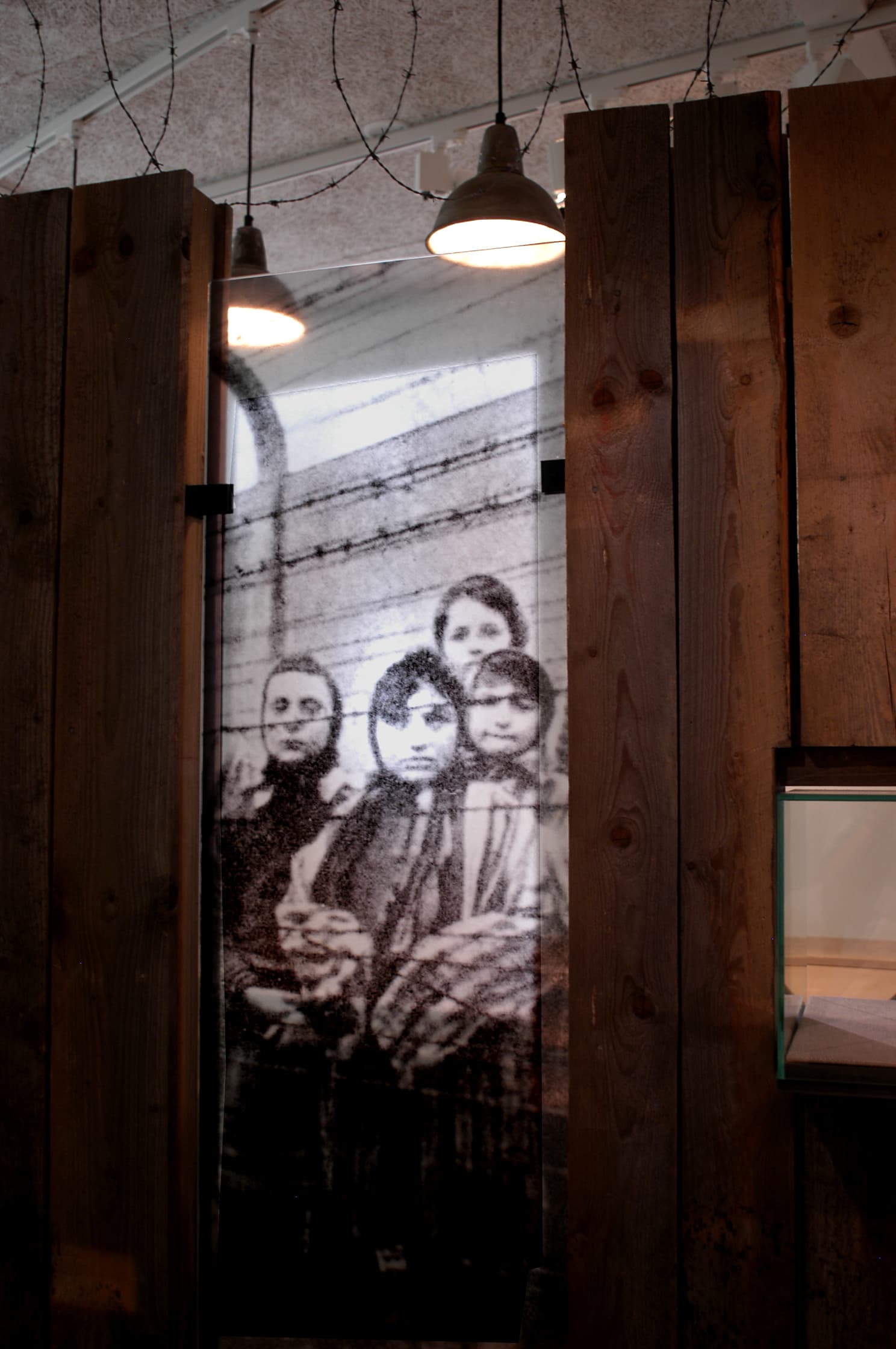
Surviving – Voices from Ravensbrück
"Surviving – Voices from Ravensbrück" is an exhibition featuring unique objects, including clothing, recipes, toys, and other testimonies that once belonged to women and children rescued from the German concentration camp Ravensbrück. We offer interactive, student-centred guided tours in which factual information is combined with questions, discussion, and group activities. Dividing the class into smaller groups is recommended.
Target group: Grade 9 to upper secondary school students
Duration: 60 minutes
Maximum group size: 30 students
Price: SEK 1,150
Curriculum links: Lgr22: History, p. 180 ff.; Religious Education, p. 188 ff.; Social Studies, p. 195 ff. Gy11: History, p. 66 ff.; Religious Studies, p. 137 ff.; Social Studies, p. 143 ff.
Exhibition: Surviving – Voices from Ravensbrück
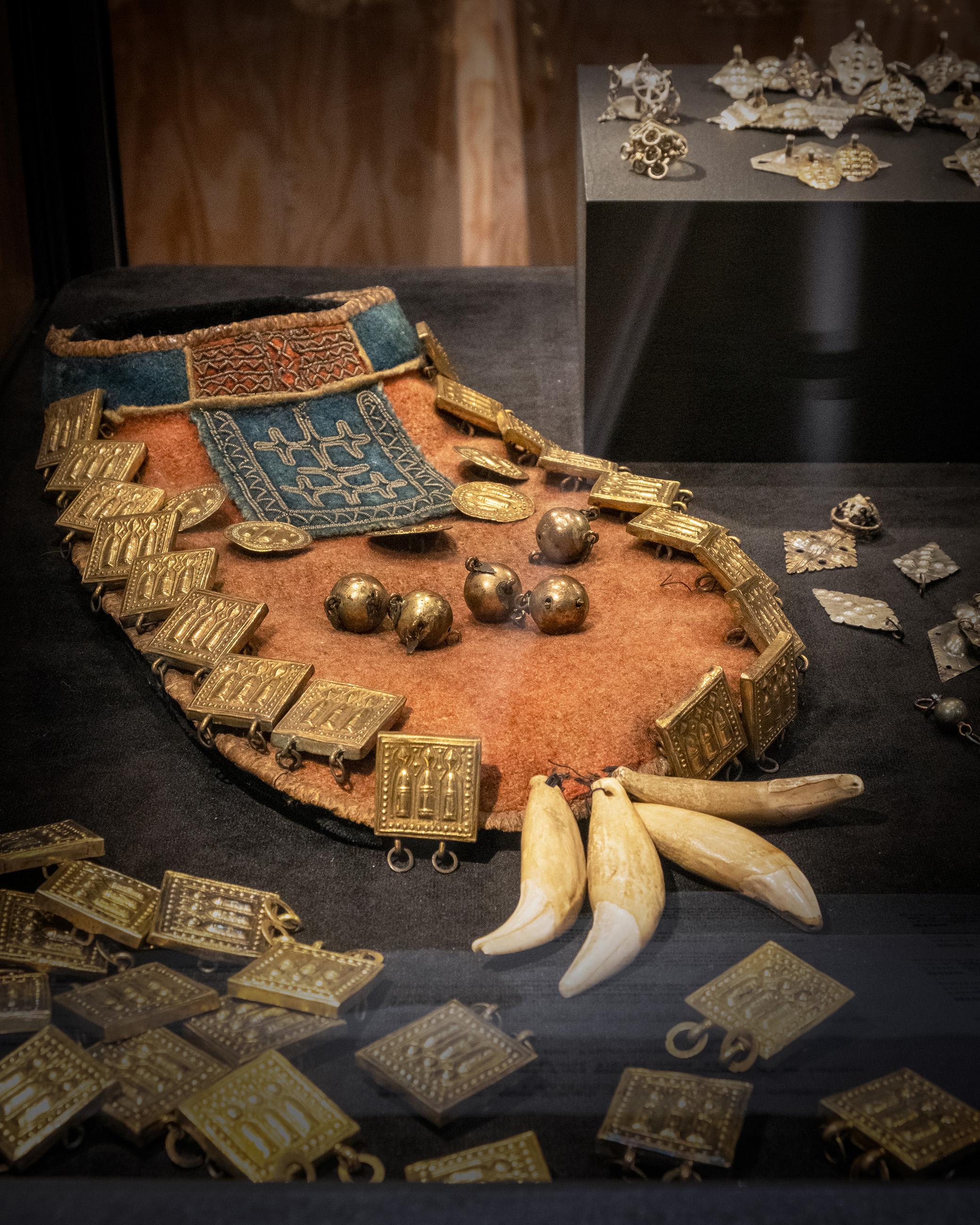
Fokus Sápmi
Renar, jojk och samernas traditionella dräkt är kanske vad många tänker på när man pratar om samer. Men detta urfolks historia handlar om så mycket mer. Till exempel har fler samer levt på jakt och fiske än på renskötsel, även om Sveriges riksdag 1928 beslutade att de samer som inte var renskötare inte heller skulle ha några samiska rättigheter. Vår utställning Fokus Sámpi ger tillfälle att få veta mer, både om samernas historia och nutid.
Under en visning i utställningen gör vi nedslag i samernas historia. Vad betyder det att de är ett urfolk och en av Sveriges fem minoritetsfolk? Hur utvecklades deras kultur och vad hände när människor söderifrån hittade silver och järn i norr? Hur har landskapet i Sápmi påverkats av utbyggnaden av vattenkraft? Vi berättar också om hur rasbiologin drabbade samerna och om jojkens och slöjdens betydelse i den samiska kulturen.
I utställningen visar vi samiska föremål ur Kulturens samlingar och berättar om denna urbefolknings historia. Vi visar också exempel på nutida samiska kulturella uttryck. Utställningen visas tillsvidare.
Målgrupp: årskurs 3–gymnasiet
Längd: 60 minuter
Max antal: 30 elever. Klassen delas i två grupper. Den ena gruppen får visning i utställningen och den andra får uppgifter att lösa självständigt tillsammans med läraren. Efter 30 minuter byter grupperna plats.
Pris: 1 150 kr
Koppling till läroplan: Lgr22 Samhällskunskap s 195 ff
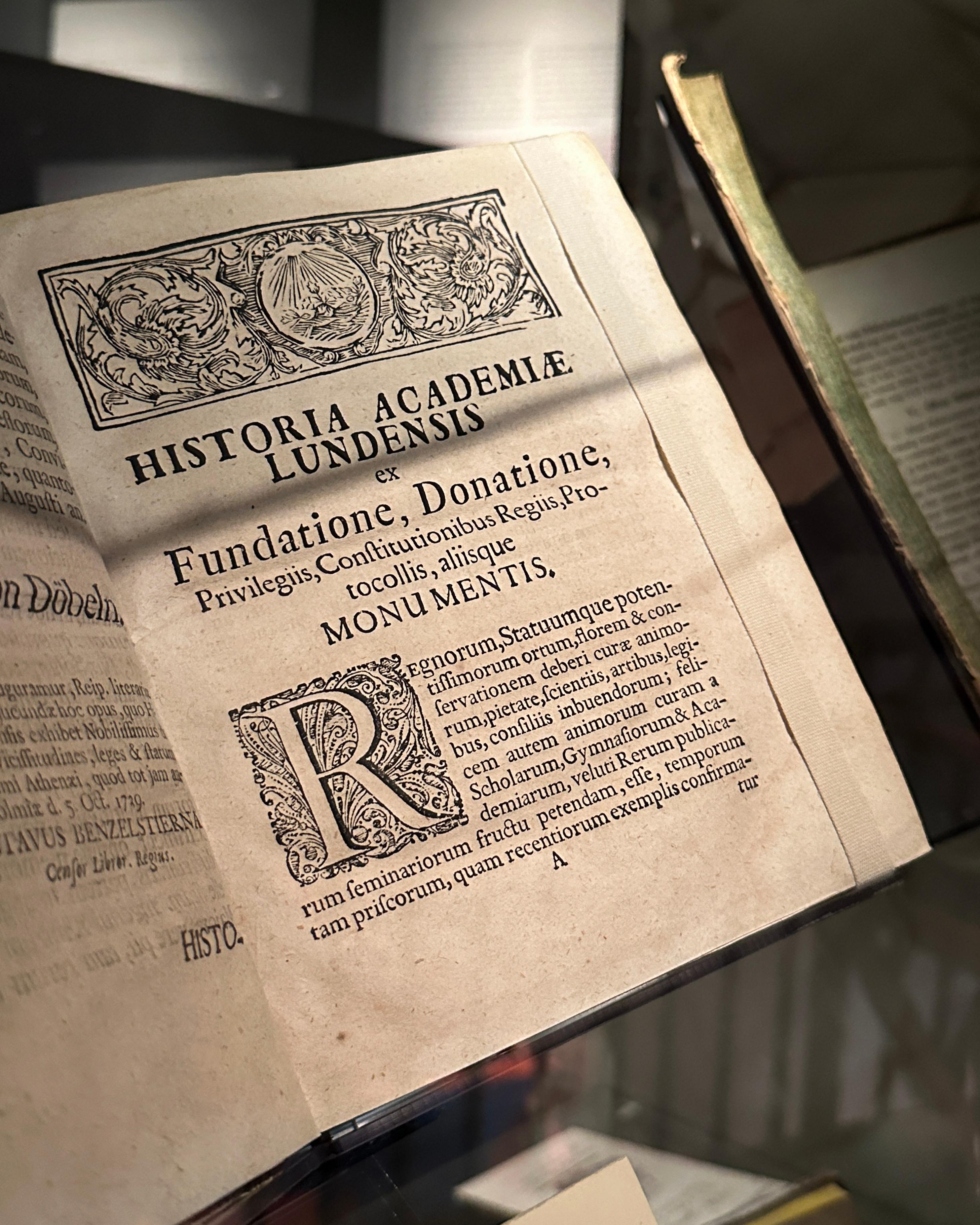
Book Culture
The exhibition "From A to Z – Book Culture" tells the story of the book, from the origins of writing and letters, through the invention of printing and the development of reading, all the way to the internet. The exhibition invites visitors to reflect on the power of the written word, democracy, diversity, and freedom of the press. It features a wide range of unique objects, including hieroglyphs, handwritten manuscripts, and printed materials.
Target group: Middle school, lower secondary school, and upper secondary school students
Duration: 45 minutes
Maximum group size: 30 students
Price: SEK 950
Curriculum links: Lgr22 Social Studies, p. 195 ff.
Exhibition: From A to Z – Book Culture
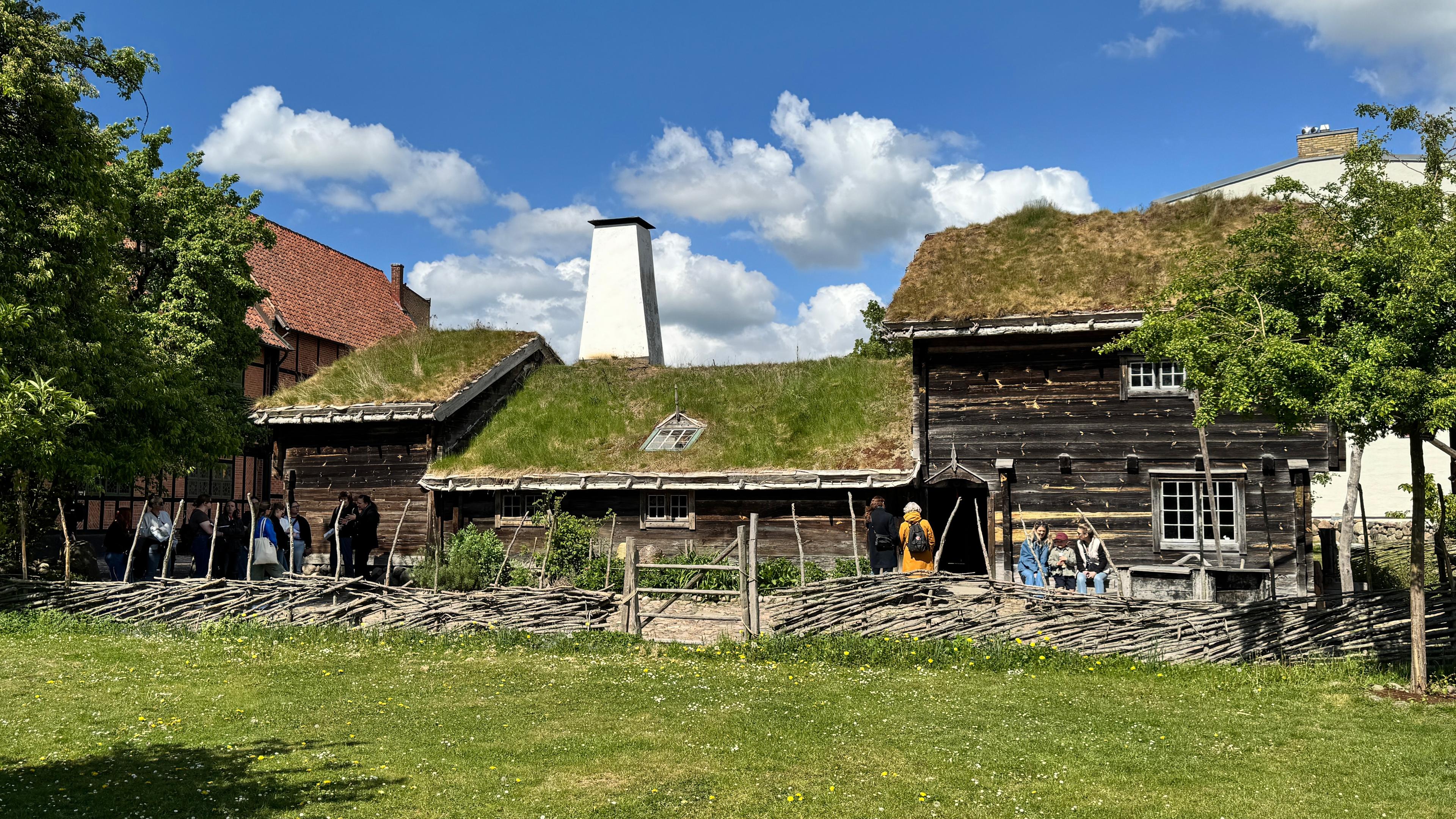
Tema Sydsvensk bebyggelsetradition
Möt en av våra timmermän som berättar och visar hur man byggde timmerhus i Skåne, Halland, Småland och Blekinge under 1600-, 1700- och 1800-talen. Timmermannen berättar också om restaureringar som har gjorts av de kulturhistoriska husen på Kulturen i Lund.
Målgrupp: gymnasiet, Komvux och folkhögskolor
Längd: 45 min
Max antal: 30 elever
Pris: 950 kr
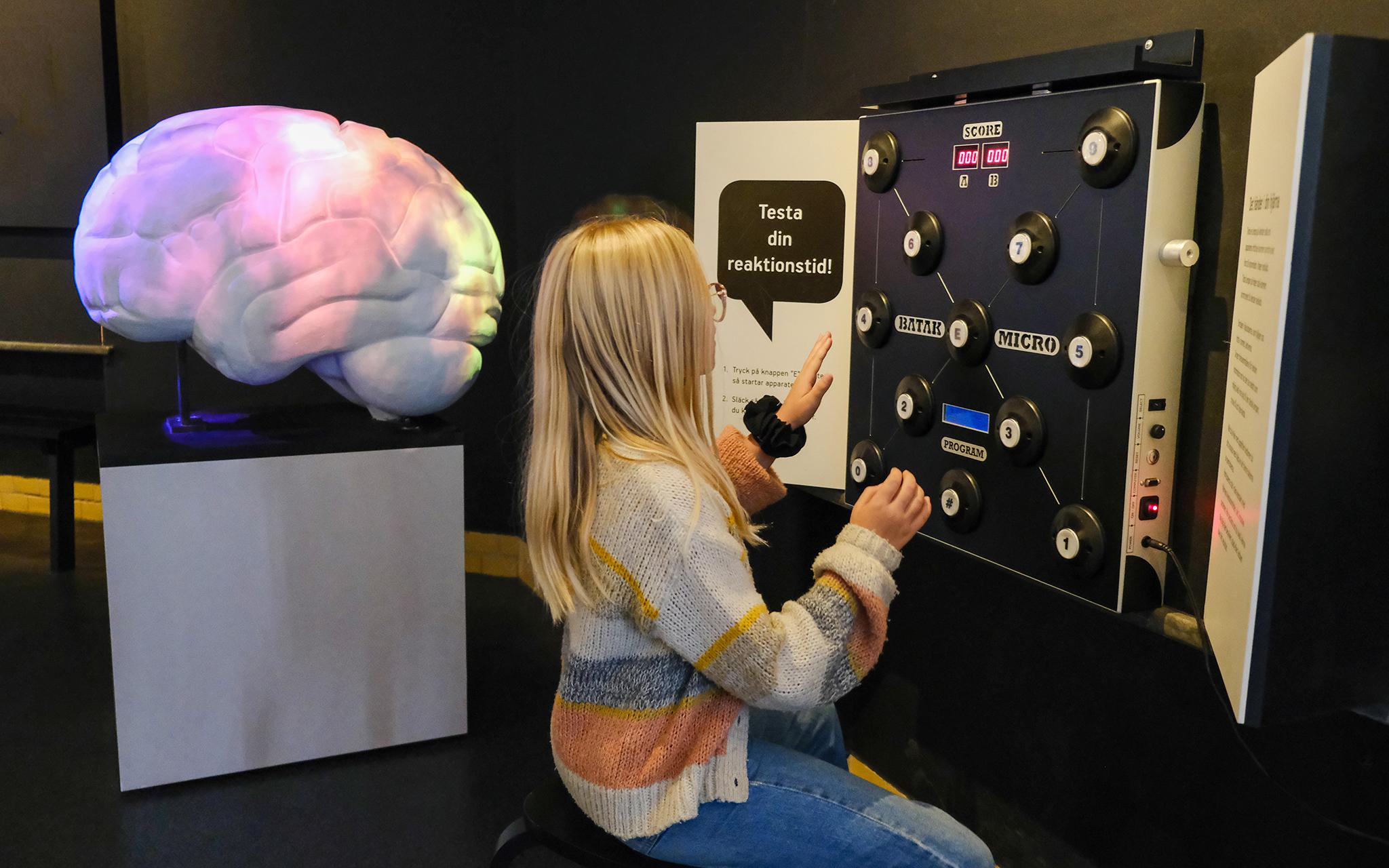
Guided Tour on How the Body Works
Join us on a journey through the human body at The Museum of Life! We explore how the body functions, learn about important advances in medicine, particularly those made in Lund, and discover objects from Region Skåne’s medical history collection. Combining biology and technology, this interactive exhibition encourages students to participate actively in their learning.
Target group: Primary and secondary school students (age-adapted tour)
Duration: 40–60 minutes
Maximum group size: 30 students (the class is divided into two groups, each with its own guide)
Price: Free of charge
When: Throughout the 2025/2026 school year, by arrangement
Where: The Museum of Life, Lasarettsgatan 5b, Lund
Curriculum links: Lgr22 (Biology, Chemistry, Physics, Technology, History, Physical Education and Health); LgrS22 (Technology, Physical Education and Health, Science Subjects); Gy11 (pp. 5–8 and various subject syllabuses)
Please note: This tour does not focus on the exhibition "It Is Slow Being Here – About Vipeholm Hospital". Instead, we recommend that students visit that exhibition independently after the tour (target group: lower and upper secondary students) or book a separate guided tour (see below).
Tour for Children Aged 4–5
The Museum of Life offers a tailored preschool programme for children aged 4–5. The programme focuses on selected parts of the museum’s permanent exhibition about the human body. Children learn about the heart, skeleton, brain, and how food travels through the body.
Each child receives a colourful seat cushion to use throughout the tour, while the guide brings along a doctor’s bag filled with props and objects related to the body.
At the top floor of the museum, there is a hands-on play exhibition where children can continue exploring how the body works. They can piece together puzzles of the body’s organs and discover fun, and sometimes embarrassing, facts, from how much skin we shed each year to how many times a day we pass gas.
Target group: Preschool children (ages 4–5)
Duration: 30 minutes
Maximum group size: 24 children (see additional information below; larger groups are welcome to contact us)
Price: Free of charge
When: Throughout the 2025/2026 school year. Suggested start time: 9:30 a.m.
Where: The Museum of Life, Lasarettsgatan 5b, Lund
Curriculum links: Nutrition and health, relationships and phenomena in nature, technology and society, body awareness, health and well-being, willingness to help others, joy in play and learning, and understanding of science.
Please note: The guide can accommodate 12 children at a time. Larger groups will be divided, with one group visiting the play exhibition while the other takes part in the guided tour. In this case, please allow a total of 60 minutes. We recommend arriving 15 minutes before the start and allowing 15 minutes after the visit for toilet breaks, dressing, etc. Children may eat a packed fruit snack or light refreshment near the museum. Please let us know in advance.
“The Mentally Ill and the Feeble-Minded” – A Tour of St. Lars Hospital and Vipeholm Hospital
This guided tour focuses on the exhibitions St. Lars Hospital and It Is Slow Being Here – About Vipeholm Hospital at the Museum of Life.
In 1879, Lund Hospital (later renamed St. Lars Hospital) opened as the institution responsible for psychiatric care in Skåne and Blekinge. In 1935, Vipeholm Hospital opened as a special institution intended for men then described as “severely disabled and uneducable feeble-minded persons,” drawing patients from across Sweden.
Why were these institutions established, and what ideas and values of the time led to their creation? Who was cared for there, and for what reasons? Why were both hospitals eventually closed?
Target group: Lower secondary and upper secondary school students
Duration: 45–60 minutes
Maximum group size: 30 students
Price: Free of charge
When: Throughout the 2025/2026 school year, by arrangement
Where: The Museum of Life, Lasarettsgatan 5b, Lund
Curriculum links: Lgr22: History (democratization in Sweden, living conditions, power); Religious Education (ethical issues, historical living conditions); Social Studies (power, justice, equality, gender equality, human rights violations).
Gy11: Psychiatry (Health and Social Care Programme), ethical and historical perspectives, and various subject syllabuses. LgrS22: Social Studies (living together). GySär13: Social Studies (democracy and human rights), History (living conditions).
Guided Tour of the Exhibition It Is Slow Being Here – About Vipeholm Hospital
In 1935, Vipeholm Hospital opened in Lund as a specialised institution for men with intellectual disabilities, who at the time were described using terminology that is now considered outdated and inappropriate.
The hospital was designed for 612 male patients, but women and children were soon admitted as well. Until its closure in 1982, it was marked by chronic overcrowding and staff shortages. Vipeholm served patients from all over Sweden, from Skåne in the south to Lapland in the north.
During this school programme, students explore the exhibition together with a guide, learning about daily life at the institution and gaining insight into the experiences of some of the people who spent their lives there. The guide also explains why institutions of this kind were established and how attitudes towards people with intellectual disabilities have changed over the past century.
The story of Vipeholm raises important ethical questions and encourages students to reflect on contemporary society and values.
Target group: Lower secondary and upper secondary school students
Duration: 30–45 minutes
Maximum group size: 30 students (15 students at a time; groups larger than 15 should allow at least 60 minutes)
Price: Free of charge
When: Throughout the 2025/2026 school year, by arrangement
Where: The Museum of Life, Lasarettsgatan 5b, Lund
Curriculum links: Lgr22: History (democratization in Sweden, living conditions, power); Religious Education (ethical issues, historical living conditions, local history, democratic principles); Social Studies (power, justice, equality, gender equality, and human rights). Gy11: Ethical and historical perspectives; various subject syllabuses. LgrS22: Social Studies (living together). GySär13: Social Studies (democracy and human rights); History (living conditions).
The Museum of Life is a medical history museum in Lund that explores how the human body works. The museum is operated by Kulturen on behalf of Region Skåne, in collaboration with the South Swedish Society for the History of Medicine.
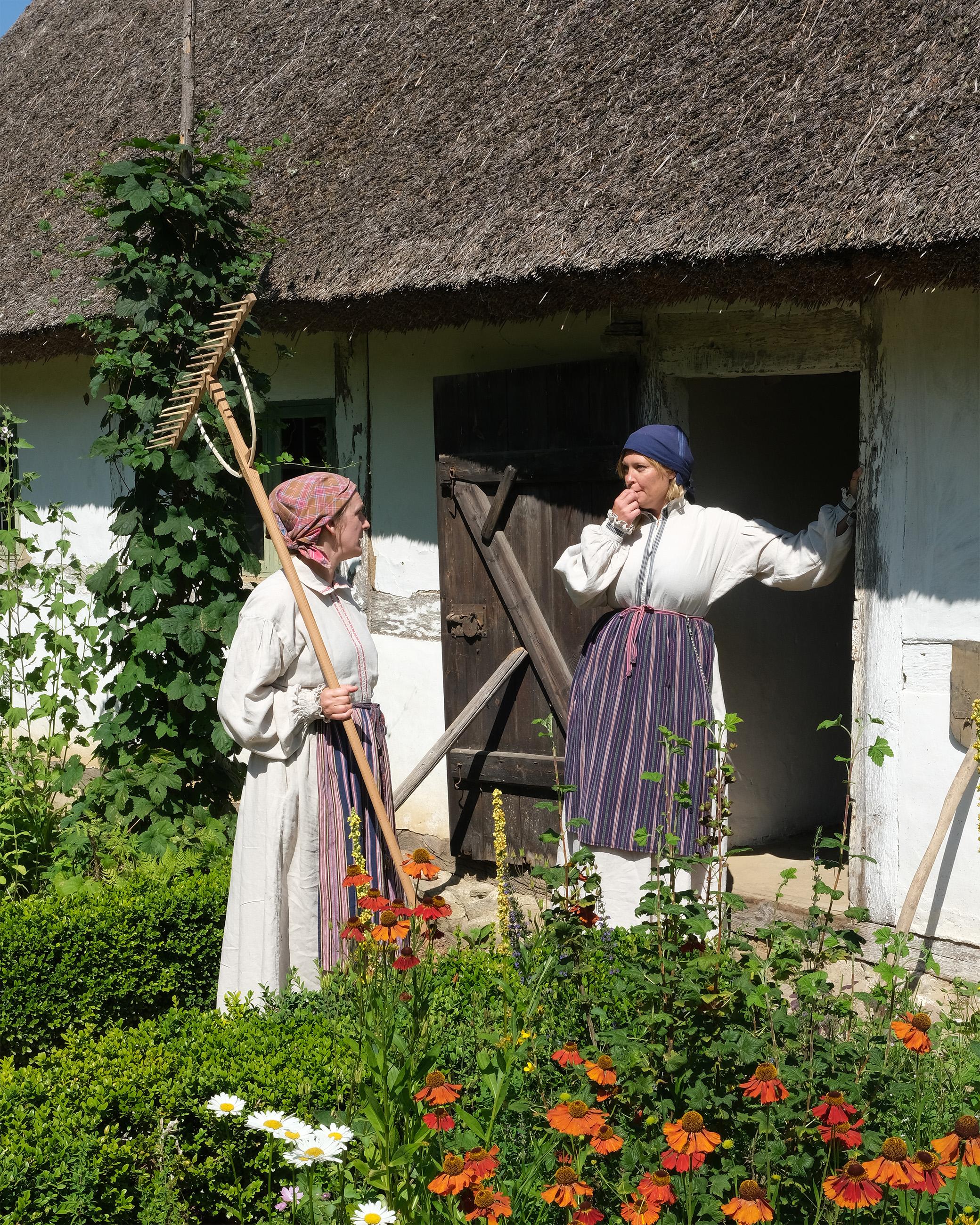
I friluftsmuseet och kulturreservatet Kulturens Östarp kan ni uppleva en lantbruksmiljö från 1800-talet med hus, djur och kulturlandskap. Hjärtat i Östarp är Gamlegård, en fyrlängad skånsk gård som byggdes 1812, och dess fina trädgård.
Kulturens Östarp ligger mellan Veberöd och Blentarp i Sjöbo kommun. Det är smidigt att åka till Östarp med buss. Gå in på www.skanetrafiken.se och använd Reseplaneraren för att hitta rätt. Hållplatsen heter Kulturens Östarp. Från busshållplatsen är det cirka 20 minuters promenad till Gamlegård. Observera att grillning är förbjudet. Det finns utedass vid Gamlegård.
Livet på Gamlegård
Ni får följa med på en rundvandring på den fyrlängade korsvirkesgården Gamlegård. Vi berättar om livet på landet som det kunde vara för människorna på gården på 1850-talet.
I samband med visningen kan medhavd matsäck ätas i Östarpshallen, som pedagogen då öppnar upp åt er. Ni kan förstås också slå er ner med matsäcken utomhus, när vädret tillåter.
Målgrupp: åldersanpassad visning
Längd: 45 minuter
Max antal: 30 elever
Pris: 1 150 kr
Boka: Visningar på Kulturens Östarp kan bokas under maj, juni, augusti och september.
Två gårdar, två familjer, 100 års skillnad
Ni får följa med på en vandring mellan Östarps två gårdar: Gamlegård och Brödragården. Tiden på Gamlegård är år 1850 och på Brödragården är tiden runt 1950. Vi berättar om livet på landet som det kunde vara för människorna på dessa två helt olika gårdar. Det blir personliga berättelser om stort som smått, till exempel var lagade man sin mat och var sov man? Gårdarna ligger med ett visst avstånd emellan så en kort promenad ingår i visningstiden.
I samband med visningen kan medhavd matsäck ätas i Östarpshallen, som pedagogen då öppnar upp åt er. Ni kan förstås också slå er ner med matsäcken utomhus, när vädret tillåter.
Målgrupp: åldersanpassad visning
Längd: 60 minuter
Max antal: 30 elever
Pris: 1 400 kr
Boka: Visningar på Kulturens Östarp kan bokas under maj, juni, augusti och september.