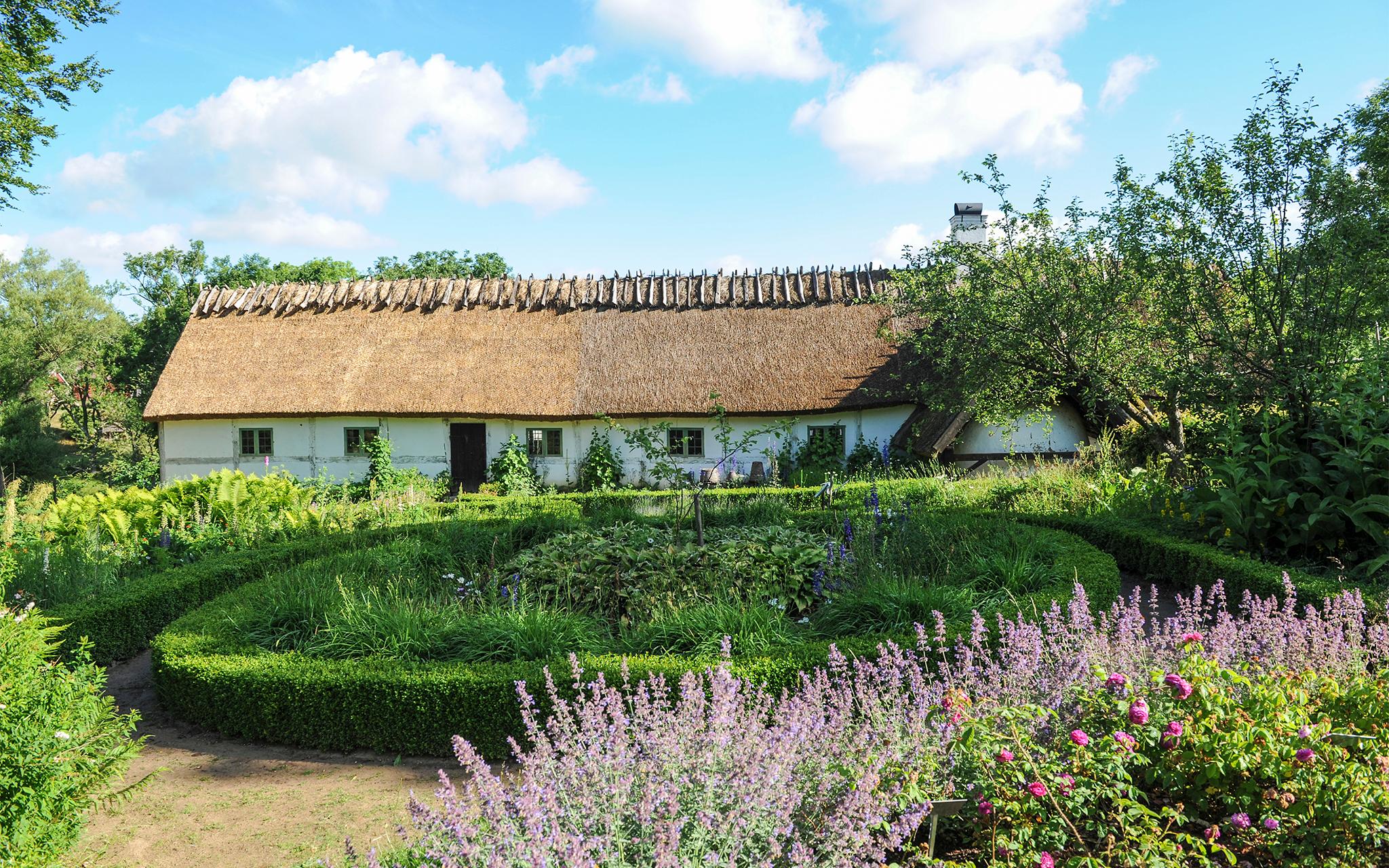
At the open-air museum Kulturen's Östarp, you can experience a rural environment from the 19th century, with historical buildings, garden, and heritage breed animals in an older cultural landscape. The area also includes Brödragården, a farm environment from the first half of the 20th century that is open during tours.
You are welcome to visit Kulturen's Östarp all year round. During the summer season, we open the half-timbered farm Gamlegård and arrange tours and other activities. It is also during the summer season that we have heritage animals at Östarp.
Cultural Reserve – what applies?
Kulturen's Östarp is a cultural reserve, which means that there are specific regulations that you as a visitor need to consider. Read more about it below.
Photo: Nelly Hercberg, Kulturen
Photo: Jessica Ljung, Kulturen
Photo: Viveca Ohlsson, Kulturen
Read more about Kulturen's Östarp
Opening Hours Gamlegård
From May to August, we keep the four-winged half-timbered farm Gamlegård open during the hours listed below. The heritage animals are on site at the farm, and we organize theme days and tours. You can visit the area on your own year-round.
Please note that Kulturen's Östarp is a cultural reserve, which means special rules and restrictions on the right of public access.
Read more about the cultural reserve LINK
Opening Hours Gamlegård 2026
When Gamlegård is open, a host dressed in period clothing is present, and we have a tour of Gamlegård at 2:00 PM. Children are welcome to do crafts in the courtyard, try on maid and farmhand clothes, and play with period toys.
May 1st–June 14th:
Saturday and Sunday 11 AM–4 PM, with a tour of the farm at 2 PM.
Exceptional opening hours:
Also open Friday, May 1st, Ascension Day Thursday, May 14th, and National Day Saturday, June 6th, 11 AM–4 PM.
June 19th–August 9th:
Thursday, Friday, Saturday, and Sunday 11 AM–4 PM, with a tour at 2 PM.
Exceptional opening hours: Thursday, June 18th, closed due to Midsummer preparations
Midsummer Eve Friday, June 19th, open 12 PM–5 PM.
August 15th–30th:
Saturday and Sunday 11 AM–4 PM, with a tour at 2 PM.
Brödragården
Brödragården, a farm environment from the first half of the 20th century, is only open during tours, which you can find in our calendar.
Entrance
Free admission to the open-air museum and tours.
Cultural Reserve – Special Provisions
Kulturen's Östarp is a cultural reserve – the second in Skåne and the 47th in Sweden. You are welcome to visit the cultural reserve year-round, but there are special provisions and restrictions on the right of public access within the area.
There are two historical farm environments at Kulturen's Östarp: Gamlegård from the 19th century and Brödragården from the 20th century. They have been complemented with two buildings that were constructed for the inauguration of the open-air museum in 1924 – Östarp's Gästgivaregård and Möllegården – as well as Östarpshallen, which was built in 1960.
Click on the links below to read more about the buildings at Östarp!
The heifers grazing at Östarp descend from two endangered lineages: Scanian Red (Skånsk röd, also known as the Rögnaröd Cow) and the Granemåla Cow (Granemålako). Both are part of the older native breed known as the Ringamåla Cow (Ringamålako).
The Östarp herd originates from Bokeslundsgården, which managed to rescue the Granemåla Cow as recently as 2004, when remnants of an old cattle herd were discovered in the Granemåla parish in Blekinge. These animals are predominantly black in color.
The Scanian Red shares many similarities with the Scanian Manor Cow (Skånsk herrgårdsko), a breed that was common in Scania during the 18th century. An old herd was successfully rescued outside Ljungbyhed in 2009. As the name suggests, these animals are red-colored.
Through their very existence, these rare native breeds do not only contribute to vital genetic diversity—preserving a breadth that has otherwise been bred out by modern commercial agriculture—they are also excellent landscape managers. Their grazing promotes a rich variety of flora and fauna and helps preserve the traditional cultural landscape.
The Swedish Allmoge Cattle Association (Föreningen Allmogekon) works to preserve these native breeds, as well as others like the Väne Cow (Väneko) and Bohuskulla.
Photo: Ringamålako
The Linderöd Pig
In Sweden, we have kept domesticated and semi-domesticated pigs for at least 3,000 years. Several unique behavioral traits make the pig well-suited as a domestic animal. All domesticated pigs descend from the wild boar. In the 19th century, two types of domestic pigs were commonly spoken of: the refined house/farm pig, and the more disregarded forest/acorn pig, which closely resembled a wild boar.
The common rural population (allmogen) likely kept pigs that were a mix of these breeds. Eventually, foreign white pig breeds were imported, as they were considered superior and more refined, which led to the near-extinction of the native landrace pigs. In 1947, a farmer outside Hörby wrote: "The Skobbo pigs, as they called the old breeds, were natural pigs. They never suffered from weak legs like the refined breeds, and the outcome was always excellent when the sows farrowed..."
When Skånes Djurpark (Scania Zoo) was established in the mid-20th century, they searched for pigs with an ancient appearance. They came into contact with an elderly farmer on the Linderöd Ridge (Linderödsåsen) who owned a sow that gave birth to piebald (spotted) piglets. This lineage likely contained remnants of the old forest pig.
Skånes Djurpark acquired the piglets, and over time, some wild boar genetics were introduced. The breed has come to be known as the Linderöd pig (Linderödssvin) and is a hardy breed capable of staying outdoors all year round.
Interested in keeping Linderöd pigs? Contact the Swedish Landrace Pig Association (Föreningen Landtsvinet).
Photo: Linderödsgris
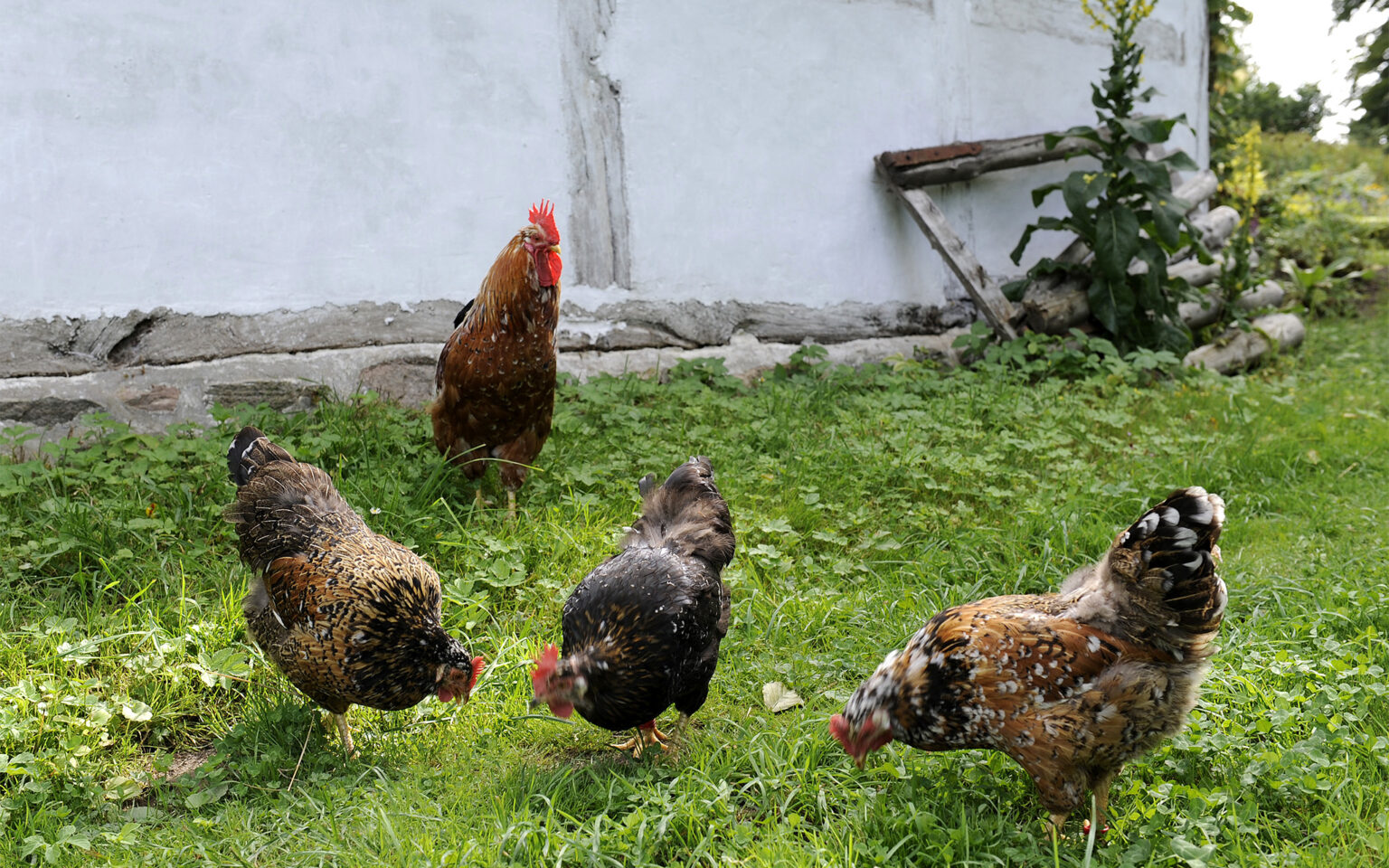
The Scanian Blomme Hen
Our domestic chickens descend from wild junglefowl in Asia. After arriving in Sweden about 2,000 years ago, our locally adapted native landraces developed.
Traditionally, the landrace hen has been an exemplary mother, brooding and caring for her chicks in the best possible way. An early description from the beginning of the 19th century also notes their excellent egg-laying capacity and the importance of good animal husbandry: "Of all kinds of poultry, none are better than the Swedish peasant hens, as they lay eggs most diligently when they are well cared for."
Despite this, large amounts of foreign commercial chickens—predominantly the white "Leghorn" breed—began to be imported in the late 19th century, placing our old native landraces under severe threat. In the 1980s, conservationists managed to rescue a few small remaining populations, including the Scanian Blomme Hen (Skånsk blommehöna).
The name comes from the fact that the chickens are "bloomy" or "flowery" (blommiga), meaning they have white speckled spots on a dark base. Sometimes they also feature a crest of feathers on their heads. The Blomme hen is the largest native landrace chicken in Sweden. A hen weighs up to 2.5 kg, and a rooster up to 3.5 kg. The Blomme hen is adapted to the rich agricultural plains of Southern Scania, whereas the smaller Åsbo hen developed in the sparser forest regions of Northern Scania.
If you are interested in keeping native poultry breeds, contact the Swedish Local Poultry Club (Svenska Lanthönsklubben).
Photo: Viveca Ohlsson, Kulturen
The Garden at Gamlegård
The garden surrounding Gamlegård has been preserved in the spirit of Hanna Jöns Persson (1850–1922), who was a highly artistic woman with a deep passion for gardening. She developed the garden from the late 19th century until her death in 1922.
The garden consists of several different sections, including the ornamental garden, the English landscape park, the orchard, and the plum grove. When Kulturen took over the management of the garden in 1924, several major changes were initiated, including the planting of boxwood hedges. The museum wanted to recreate a traditional rural peasant garden as it might have looked in the mid-19th century. Today, however, our focus is on restoring and recreating a part of what was actually Hanna’s true legacy to posterity.
The Garden’s Early History
The garden has a significantly older history. Maps from 1704–05 reveal that a formal, French-inspired garden once stood here, complete with a carp pond. This pond is still visible during spring and autumn when rainwater fills the depression in the ground. In the future, we will undoubtedly uncover more fascinating details that can shed light on the garden’s earlier background.
Click on any of the links below to download the complete plant list for the garden as a PDF. It may serve as a helpful guide if you are looking to introduce plants into an older garden of your own.
Nature and Heritage Trail
Welcome to follow the Östarp Trail (Östarpsspåret), a 1.8-kilometer nature and heritage trail that shares the story of the cultural landscape and the history of Östarp.
The trail begins at Östarpshallen, where you can also pick up the trail leaflet. Follow the posts with yellow-painted tops and small red wooden shoes. These will lead you to red numbered signs marked "Östarpsspåret". Stop at each sign and read about the location in your leaflet.
Visitor Map
Here you can download a visitor map of Kulturens Östarp open-air museum. Maps are also available on-site to borrow during your visit.
Download visitor map for Kulturens Östarp (pdf)
Book a Guided Tour
Private guided tours of Gamlegård at Kulturen's Östarp can be booked through Kulturen’s booking service. Please see the price list below.
If you would like to book a tour for a school class, information about school tours is available under School Programs at Kulturen's Östarp.
45-Minute Guided Tour
Weekdays during regular opening hours: 1,700 SEK
Weekends during regular opening hours: 2,500 SEK
Outside regular opening hours: 2,500 SEK
60-Minute Guided Tour
Weekdays during regular opening hours: 2,000 SEK
Weekends during regular opening hours: 2,900 SEK
Outside regular opening hours: 2,900 SEK
Group Size and Other Languages
We accept a maximum of 25 people per guided tour.
Guided Tours in English and German
If you request a tour in English or German, a language surcharge of 250 SEK will apply.
Kulturen’s museum hosts at Östarp can only be reached from May to August, during Gamlegård’s opening hours. You can find the opening hours further up on this page.
Phone: +46 (0)46-35 04 94
Book a Guided Tour
If you would like to book a guided tour at Kulturen's Östarp, please contact Ulrika Eriksson, Booking Coordinator at Kulturen.
Would you like to give a gift to support the development of Kulturens Östarp open-air museum and cultural reserve, and the preservation of its cultural landscape and historical buildings?
Through gifts both large and small, we can preserve and develop Kulturens Östarp for generations to come.
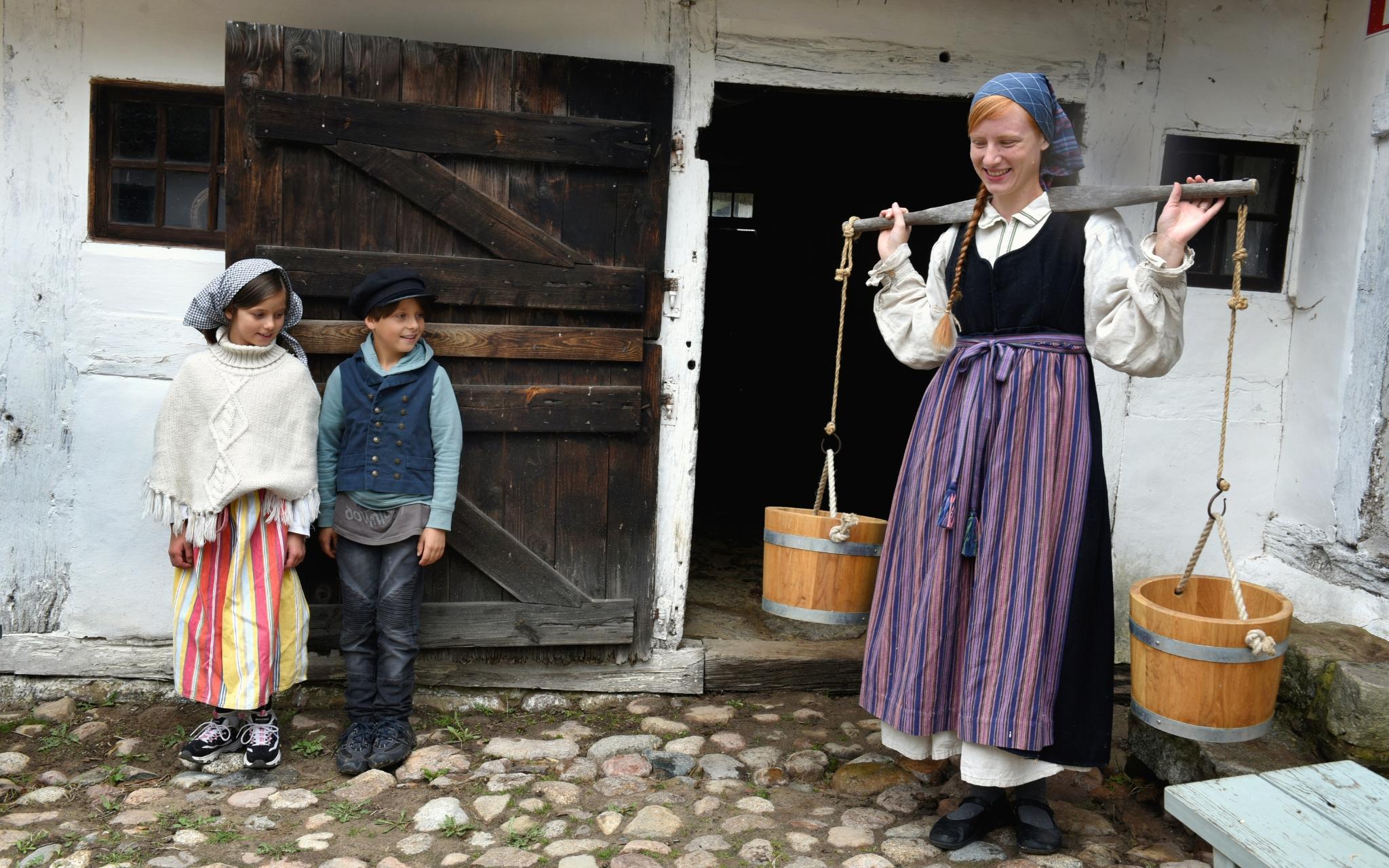
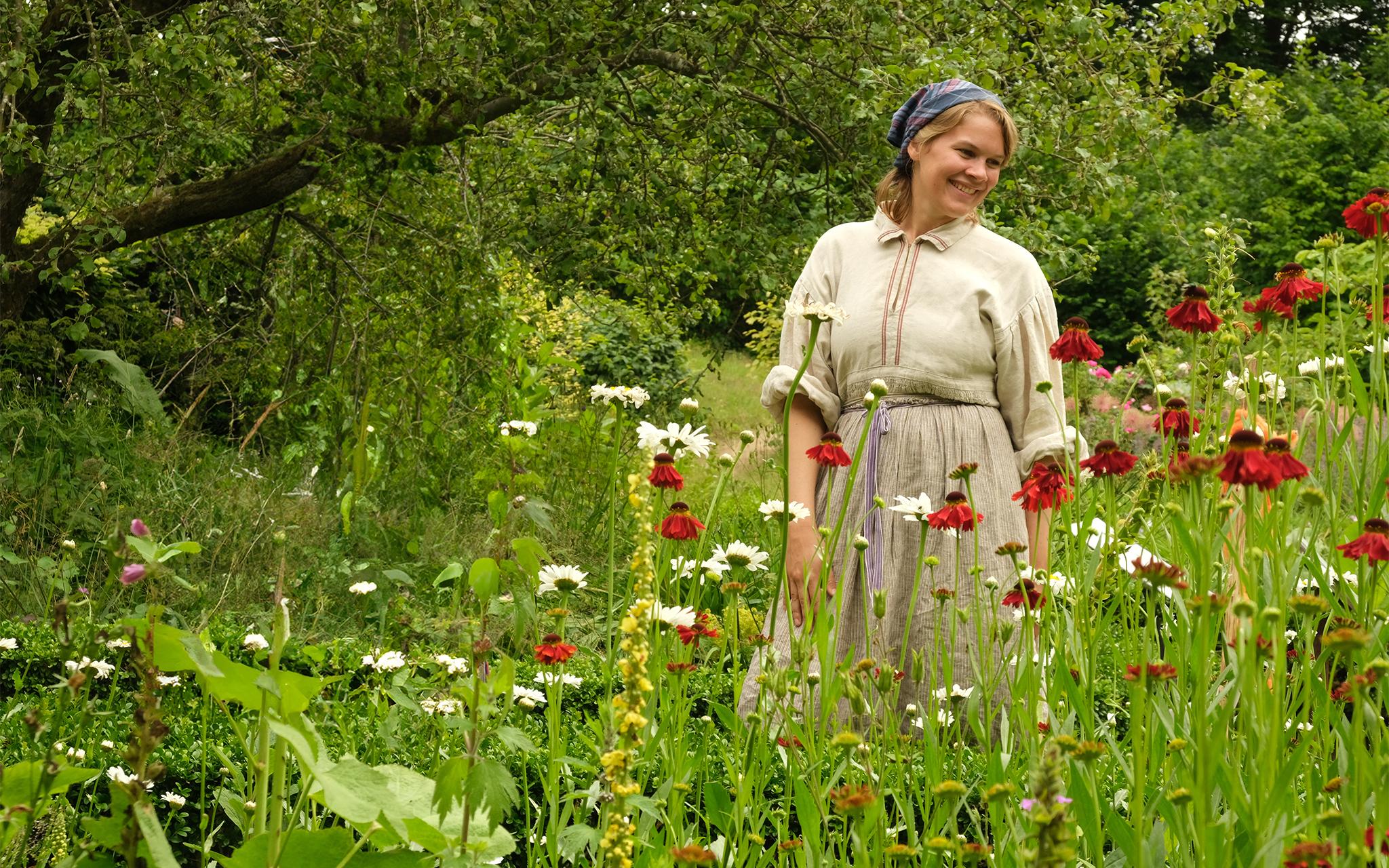
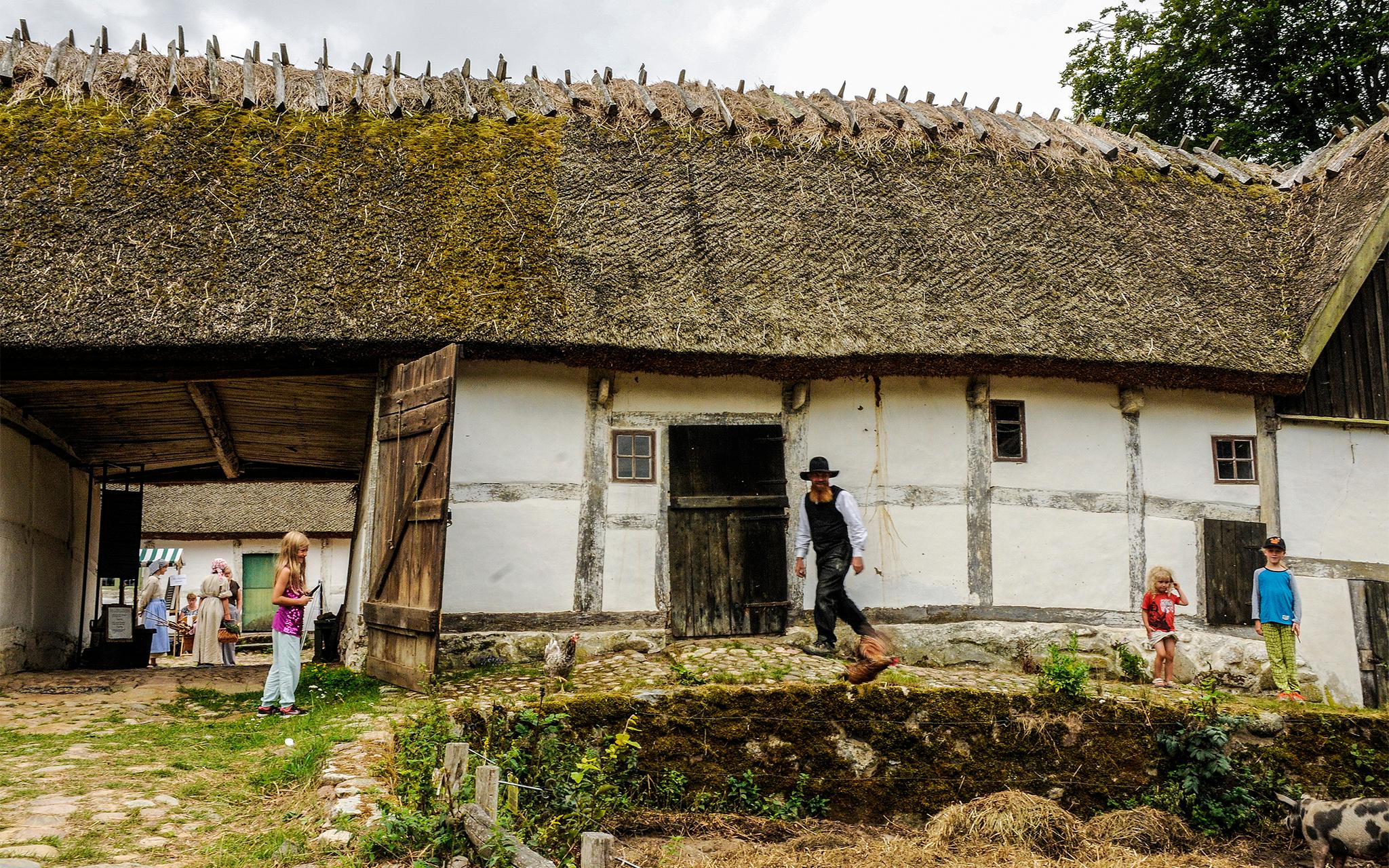
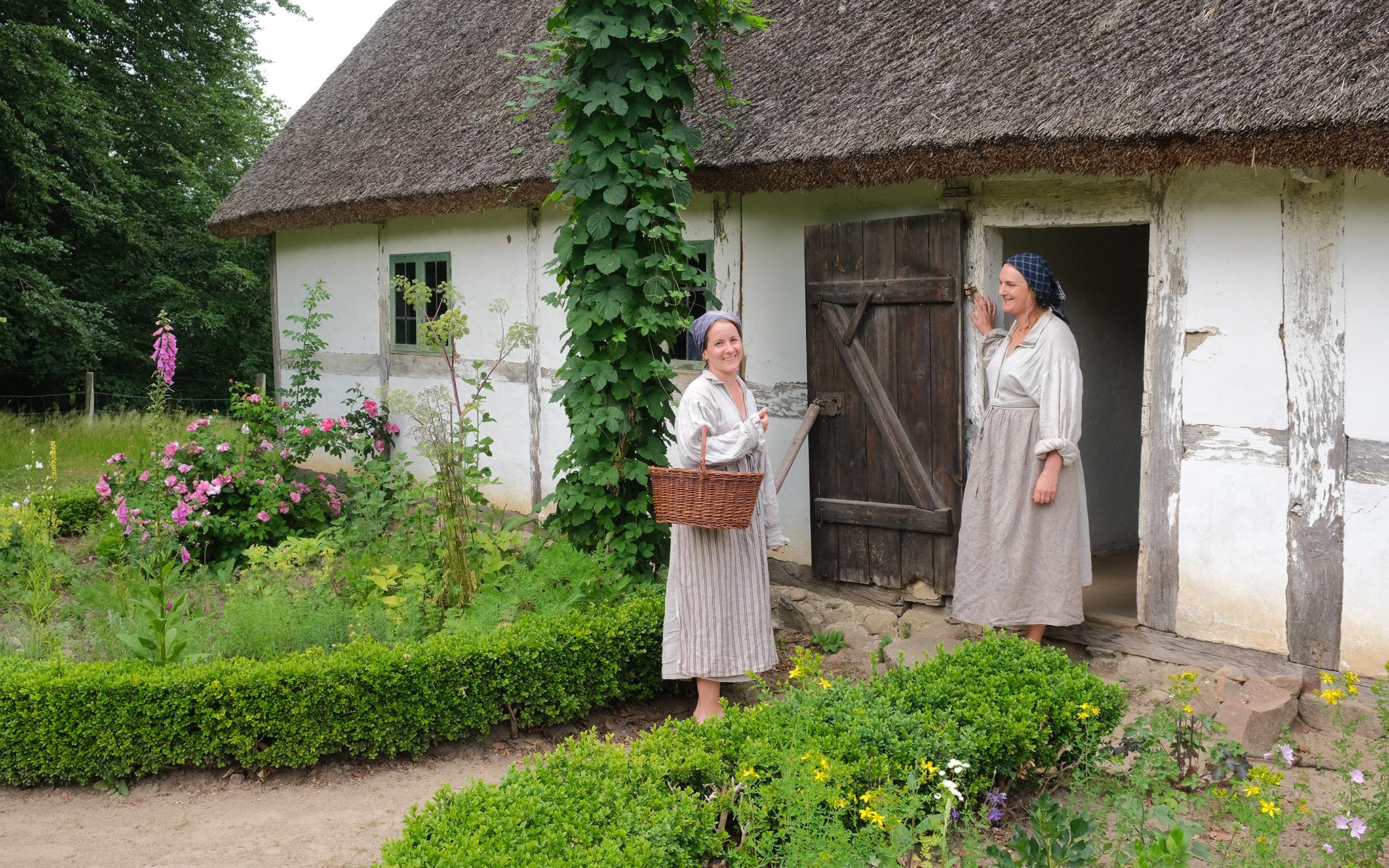
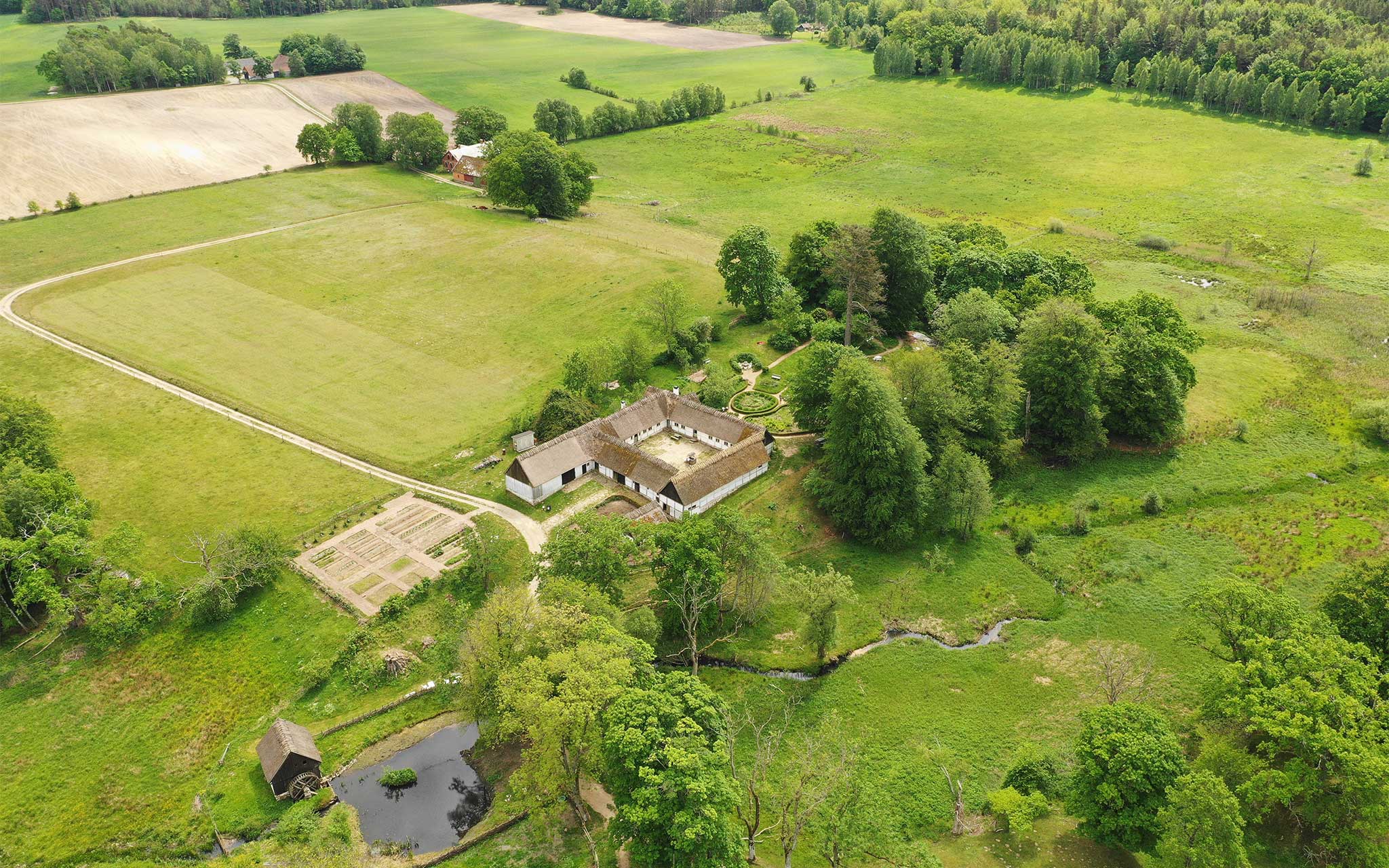
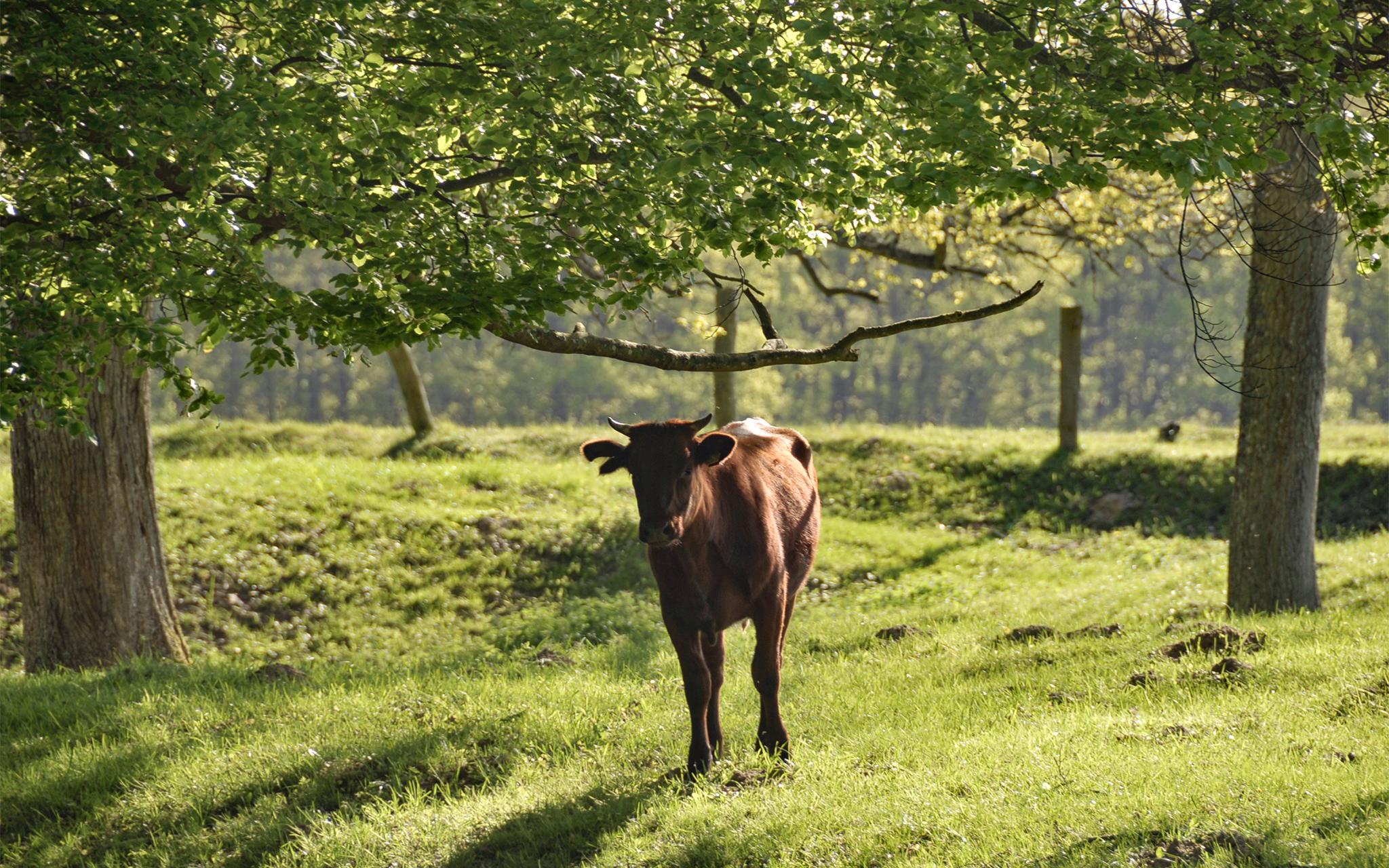
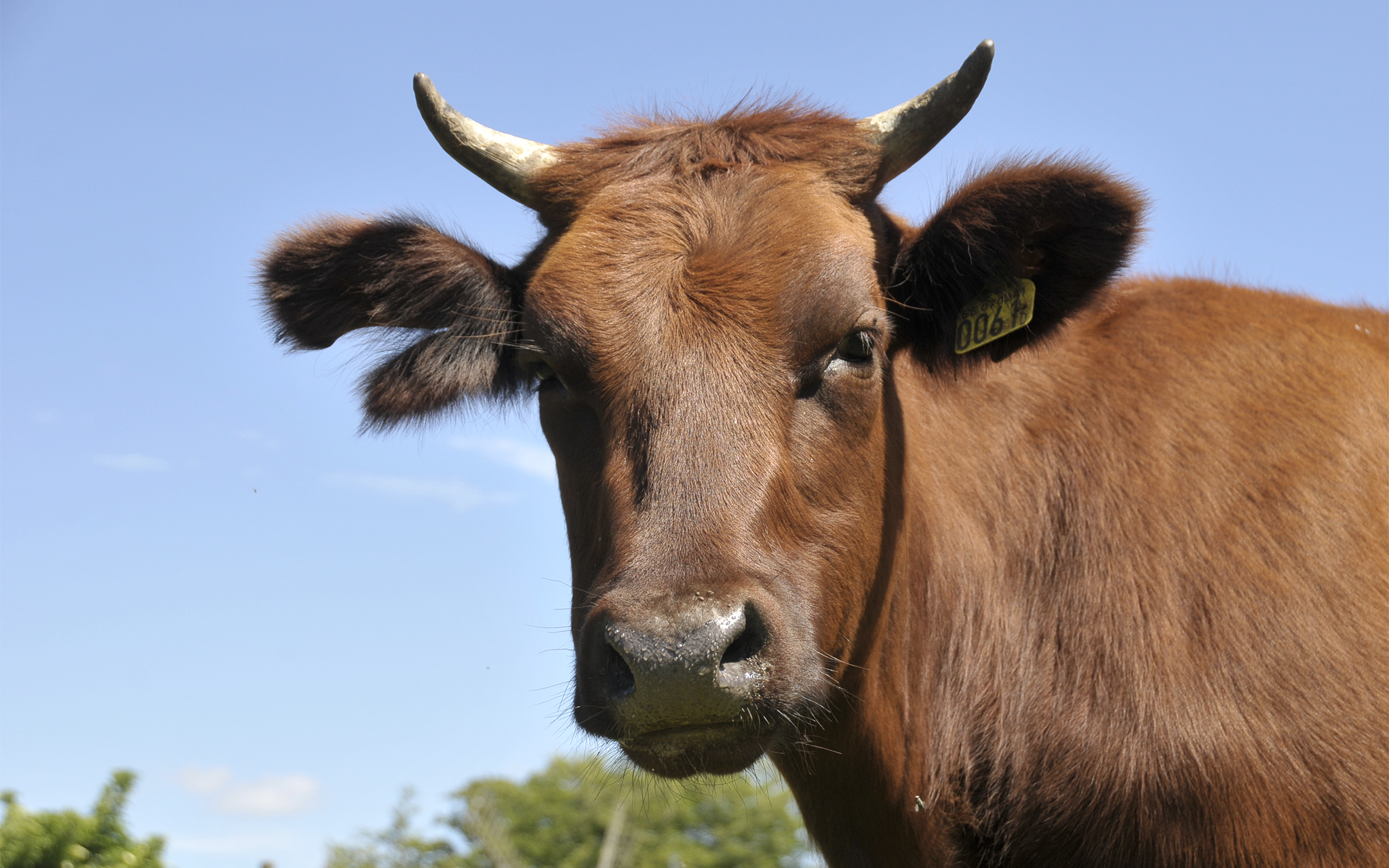 Photo: Ringamålako
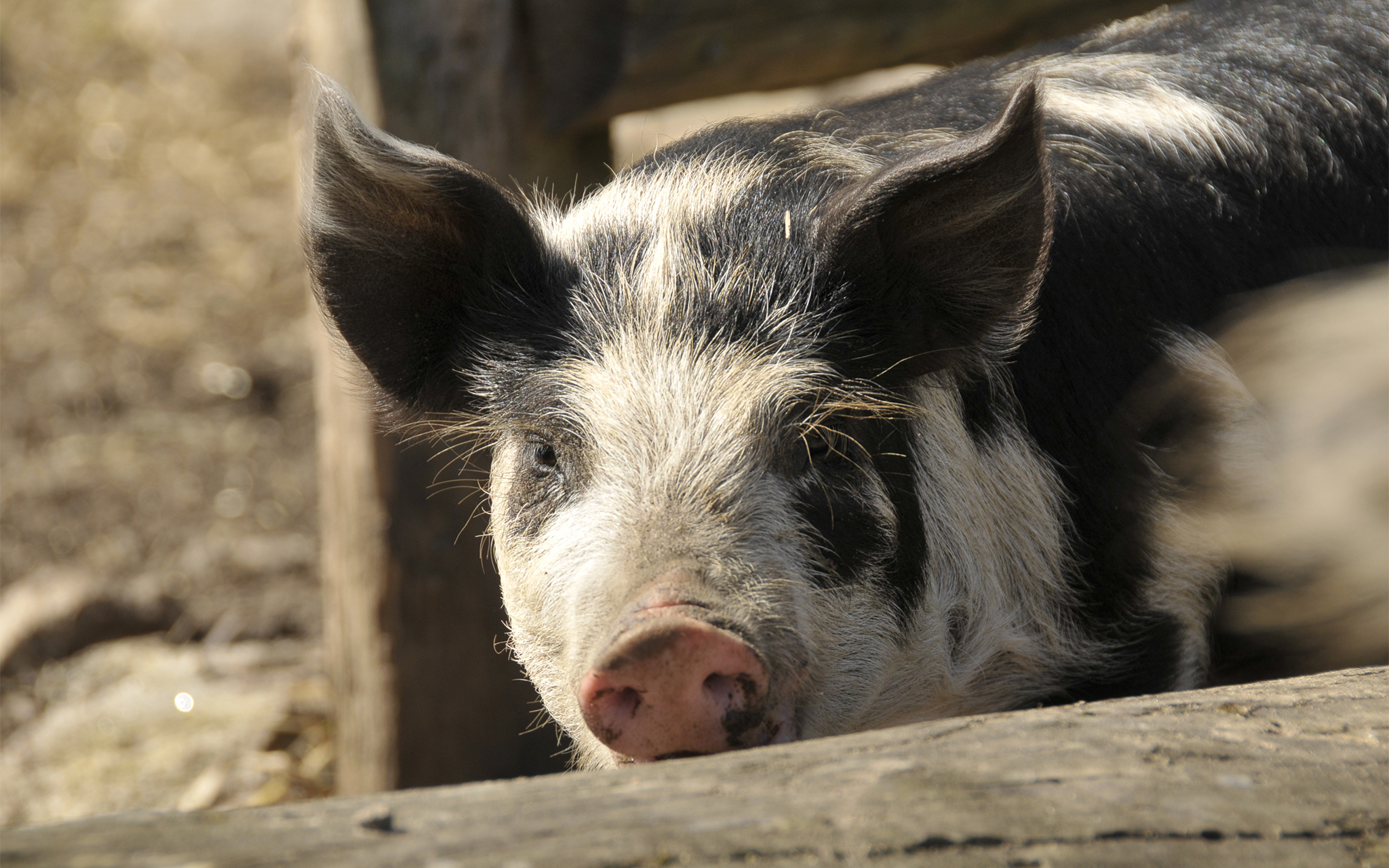 Photo: Linderödsgris