Historic houses
Historic settings from southern Sweden
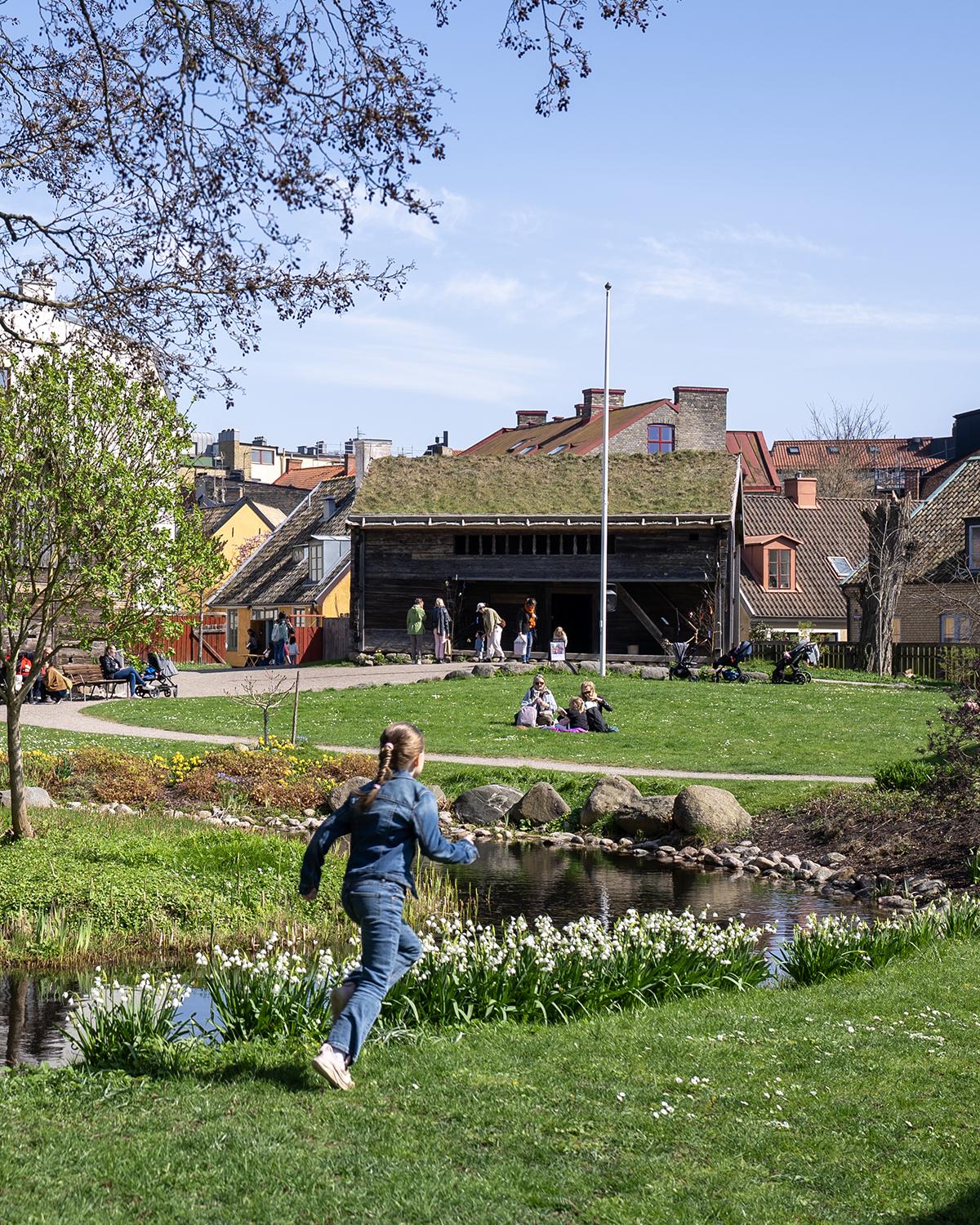
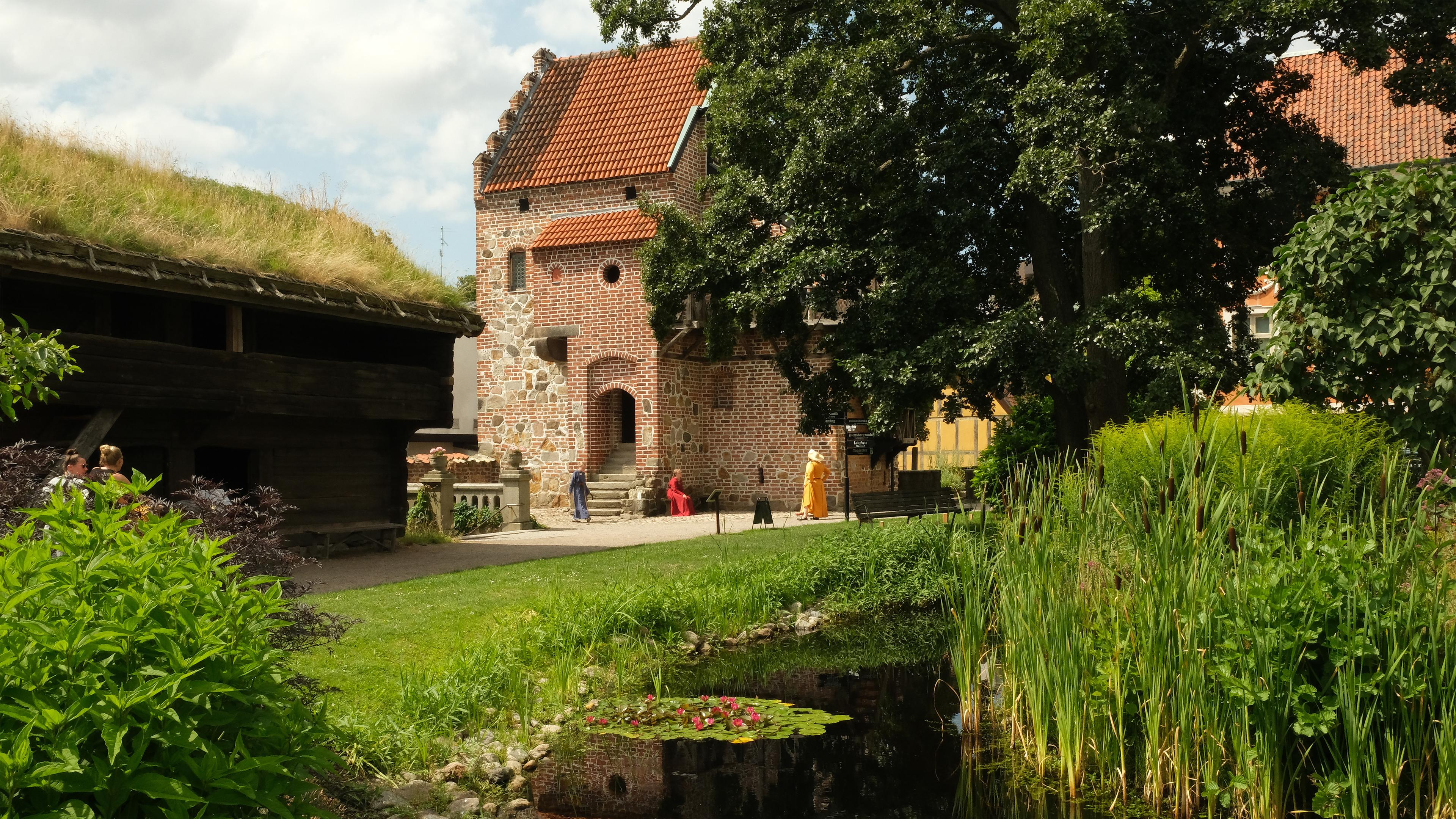
Experience historical environments from southern Sweden in our open-air museum! Here you can explore historical houses and outdoor settings representing different eras and social classes.
Here you will find houses with furnished interiors that you can step inside to see how people lived and worked during different eras.
The open-air museum also features other historical buildings that house exhibitions and workspaces for the museum staff. These structures further contribute to the museum's historical atmosphere.
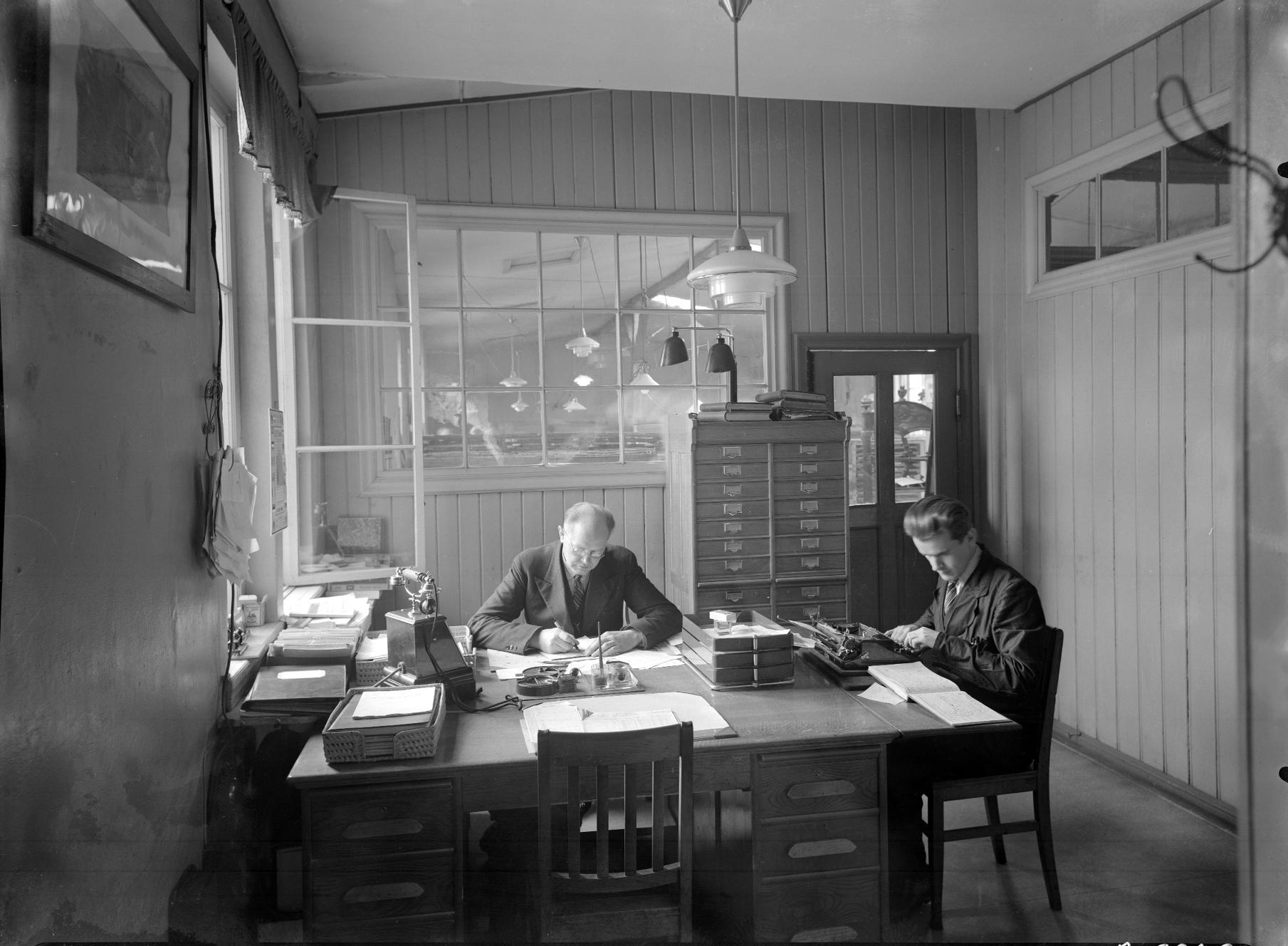
We are working on the English translations
We’re currently working on translating our new website into English. This means that some content is not yet available in English. Thank you for your patience while we work to make the full website available to you.
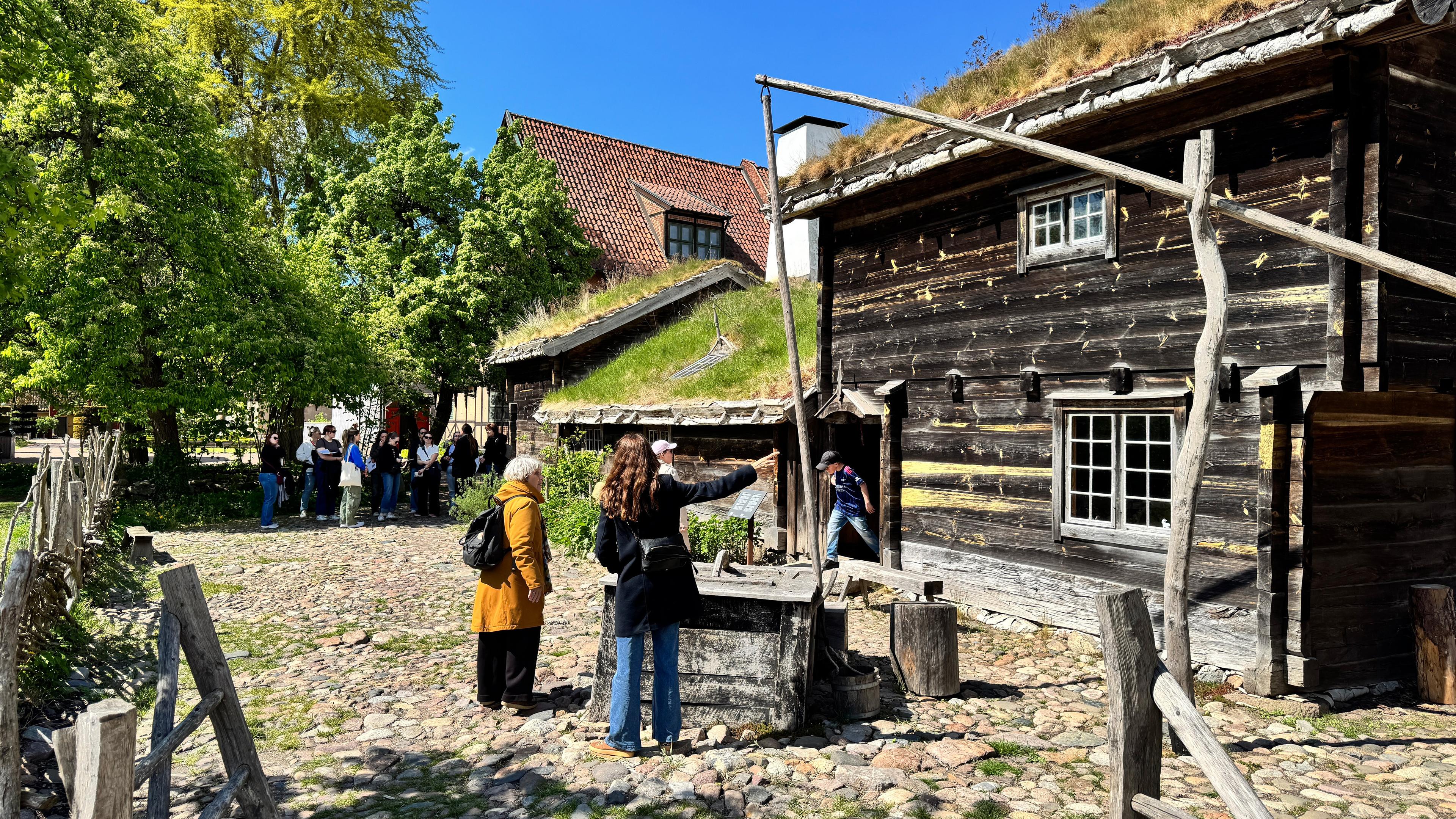
Houses and buildings
Read more about the open-air museum's houses and buildings, the people who once lived in them, as well as their architectural styles and building traditions.
Here, you will find many historical houses with furnished interiors that you can step inside and explore. Other historical structures containing exhibitions and workspaces for the museum staff also contribute to the museum's historical atmosphere.
Some of the houses stand on their original sites, while others have been moved here since the museum opened in 1892.

How did people live in the past?
Step inside six historical homes and experience how people lived in the past in southern Sweden. Here you will encounter reconstructed interiors from different eras and social classes, ranging from the 18th century to the 1930s. Pick up a leaflet at the entrance to follow the trail.
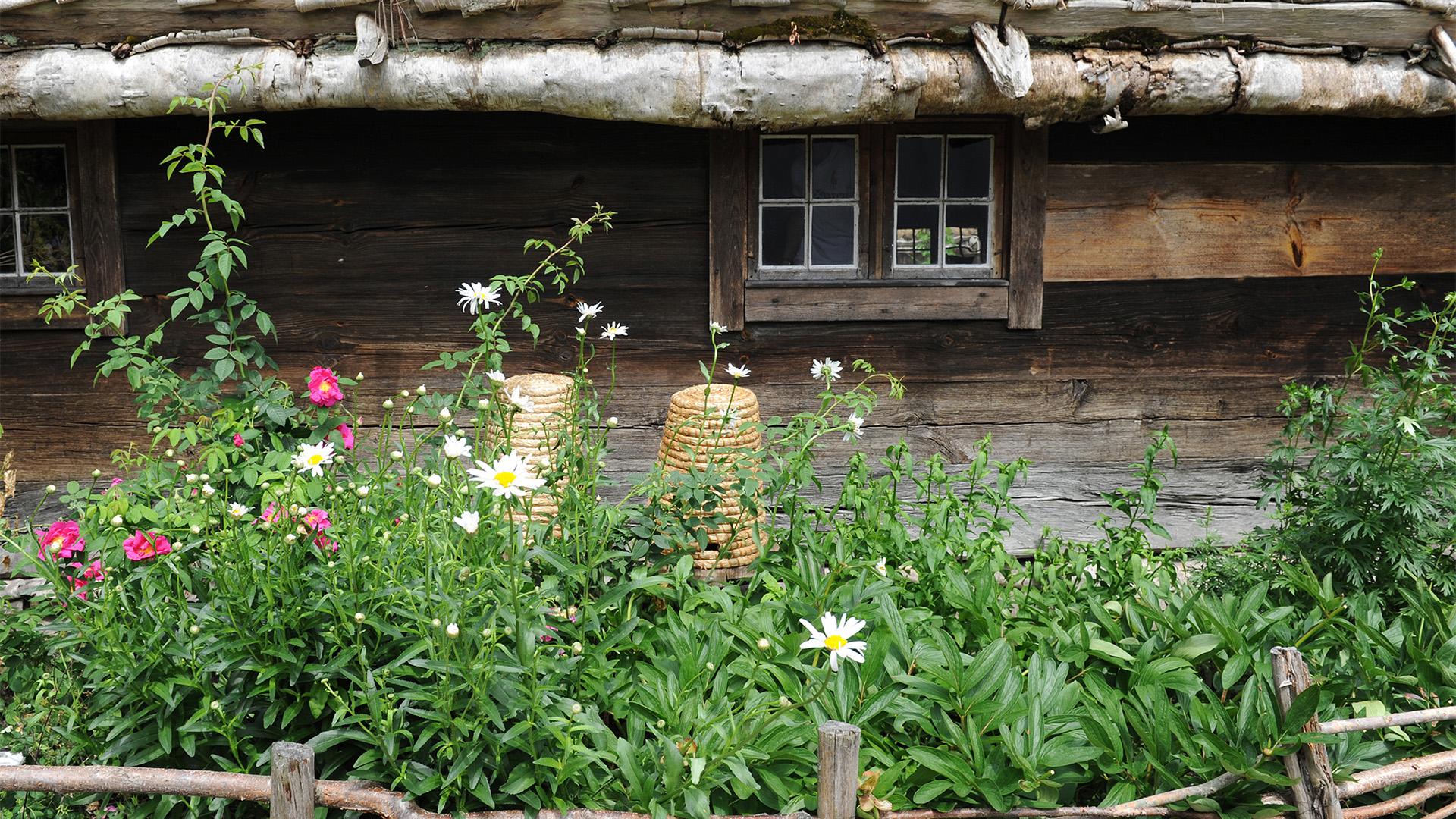
Gardens and outdoor settings
Flera av husen i friluftsmuseet har tidstypiska trädgårdar eller utemiljöer, som du kan läsa mer om här på webben. Du kan också läsa om Lapidariet, Örtagården och Skolträdgården. Several of the houses in the open-air museum feature period gardens or outdoor environments, which you can read more about here on our website. You can also read about the Lapidarium, the Herb Garden, and the School Garden.