The Tegnér museum
Visitor Information
The Tegnér Museum is open on certain days of the year. There is also an opportunity to book a private tour of the museum, see more information under the heading "Book tour".
Opening hours fall 2026
Saturday 1 PM – 3 PM
Deviating opening hours
The Christmas Fair weekend Saturday 28 and Sunday 29 November 1:00 PM-3:00 PM
Free entry!
The Tegnér Museum is located in central Lund, on one of the shopping streets. You can easily get to the museum from Lund Central Station.
Visiting address: Stora Gråbrödersgatan 11, 222 22 Lund.
Since 1997, it is Kulturen that is responsible for the Tegnér Foundation and keeps the museum open.
You can at any time during the year explore the possibility of booking a private viewing of the museum. Then contact Kulturen's booking servie.
Phone: 046-35 04 32 (Monday–Friday, 9am–12pm)
Email: bokning@kulturen.com.
Tegnér lived here
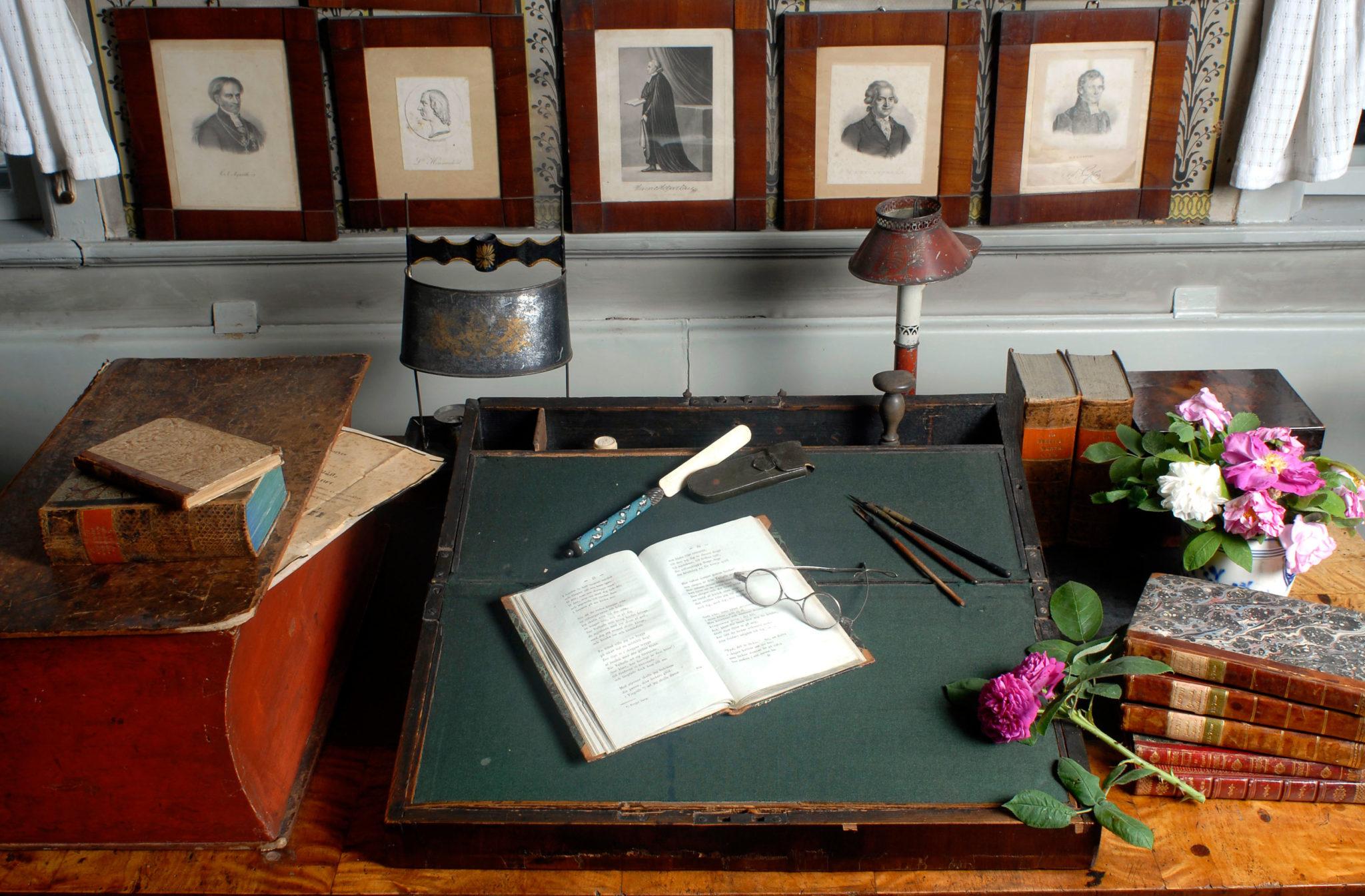
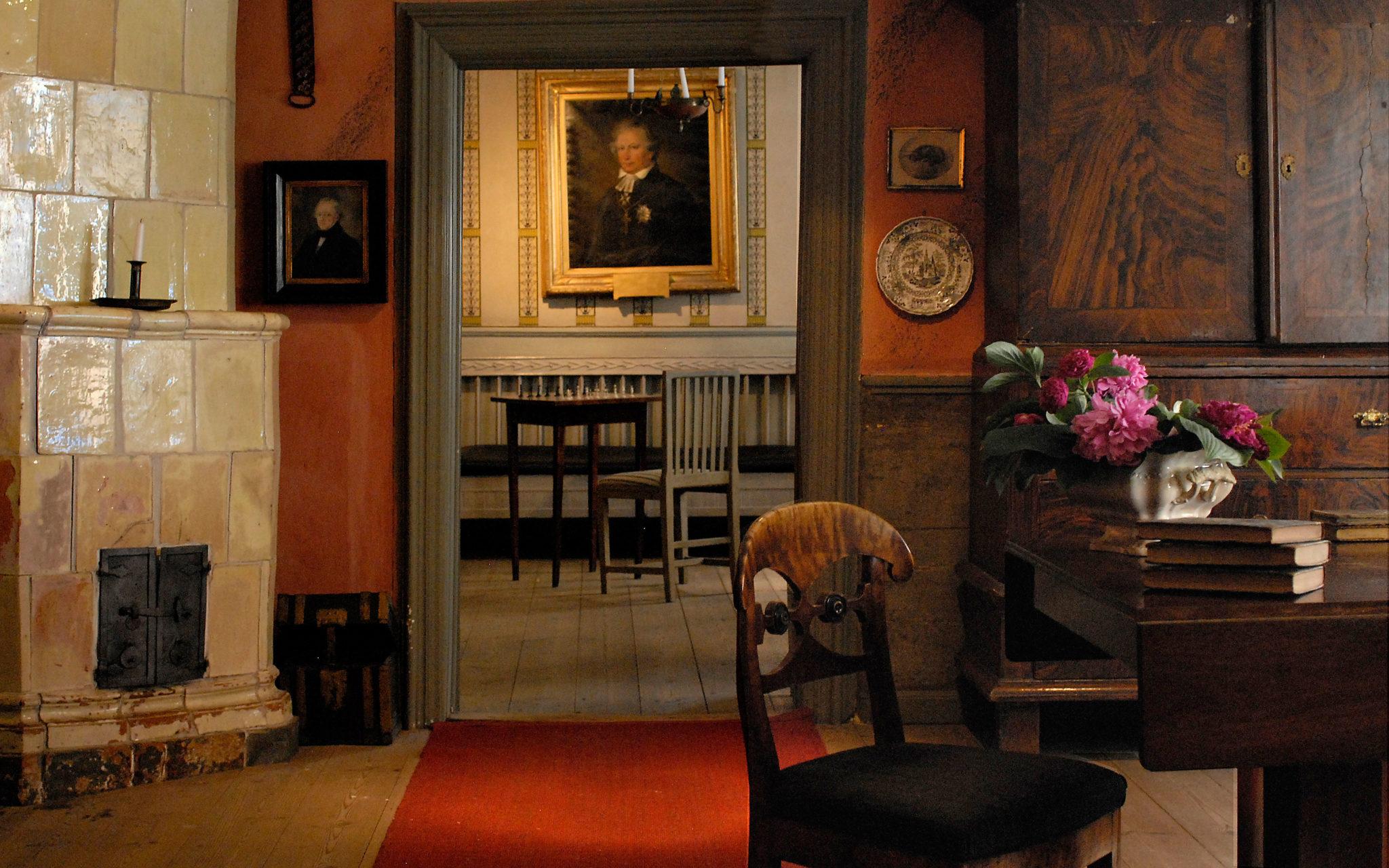
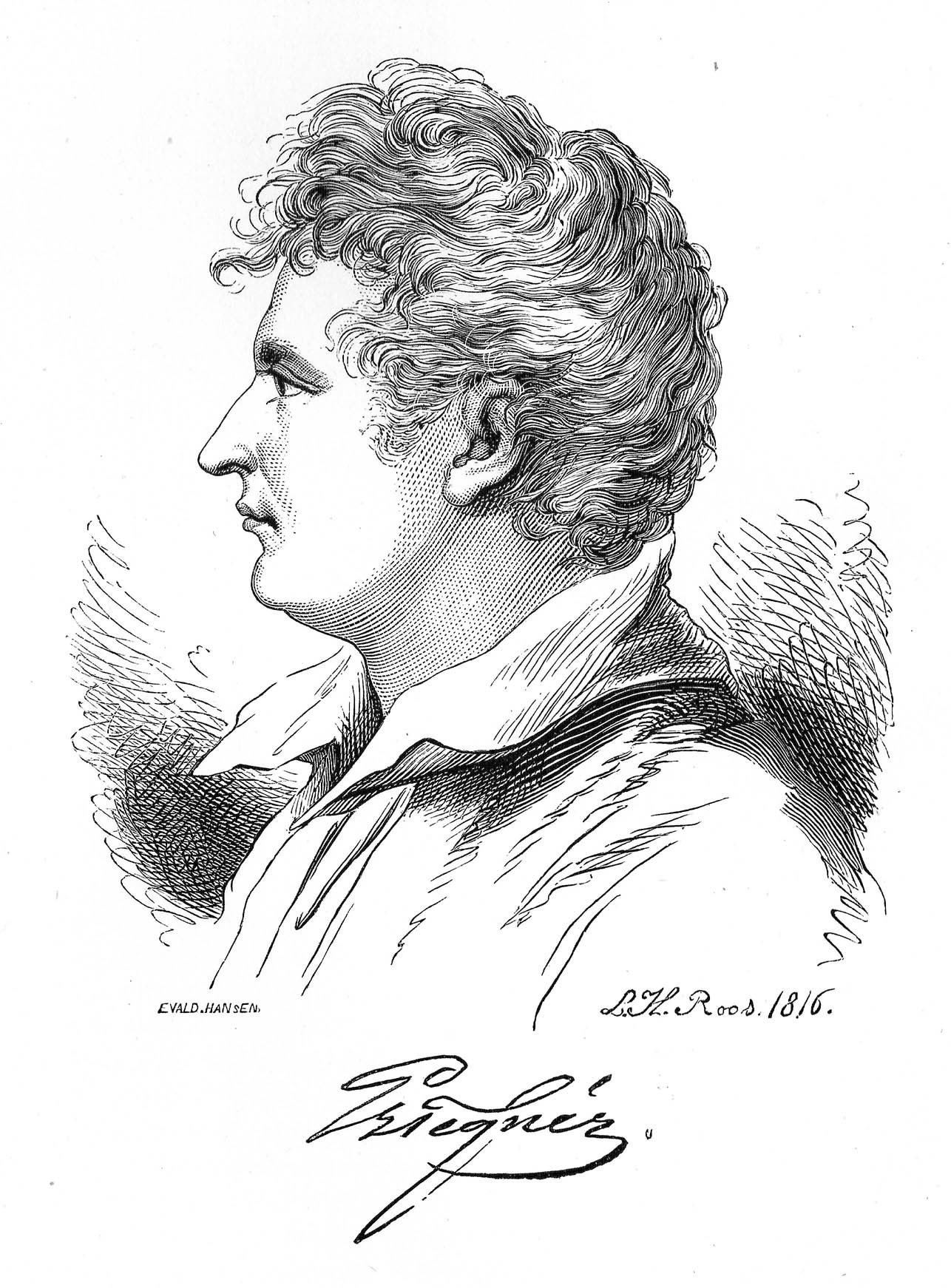
Esaias Tegnér (1782–1846) was one of the most significant Swedish authors and poets of his time. During his time as a professor in Lund, he lived with his family in a half-timbered house on Stora Gråbrödersgatan. In the museum, some rooms from Tegnér's home are recreated with original furnishings and various Tegnér memorabilia.
Esaias Tegnér in Lund
In the autumn of 1799, Tegnér was enrolled as a student at Lund University, and by 1801 he had completed his bachelor's degree in philosophy. A few months later, he became engaged to Anna Maria Gustava Myhrman, and they married in 1806.
Academic Career
In the autumn of 1802, he published two Latin theses, and in 1803 he became a lecturer in aesthetics, and two years later an associate professor in aesthetics and later that year vice librarian.
Tegnér’s Home on Stora Gråbrödersgatan
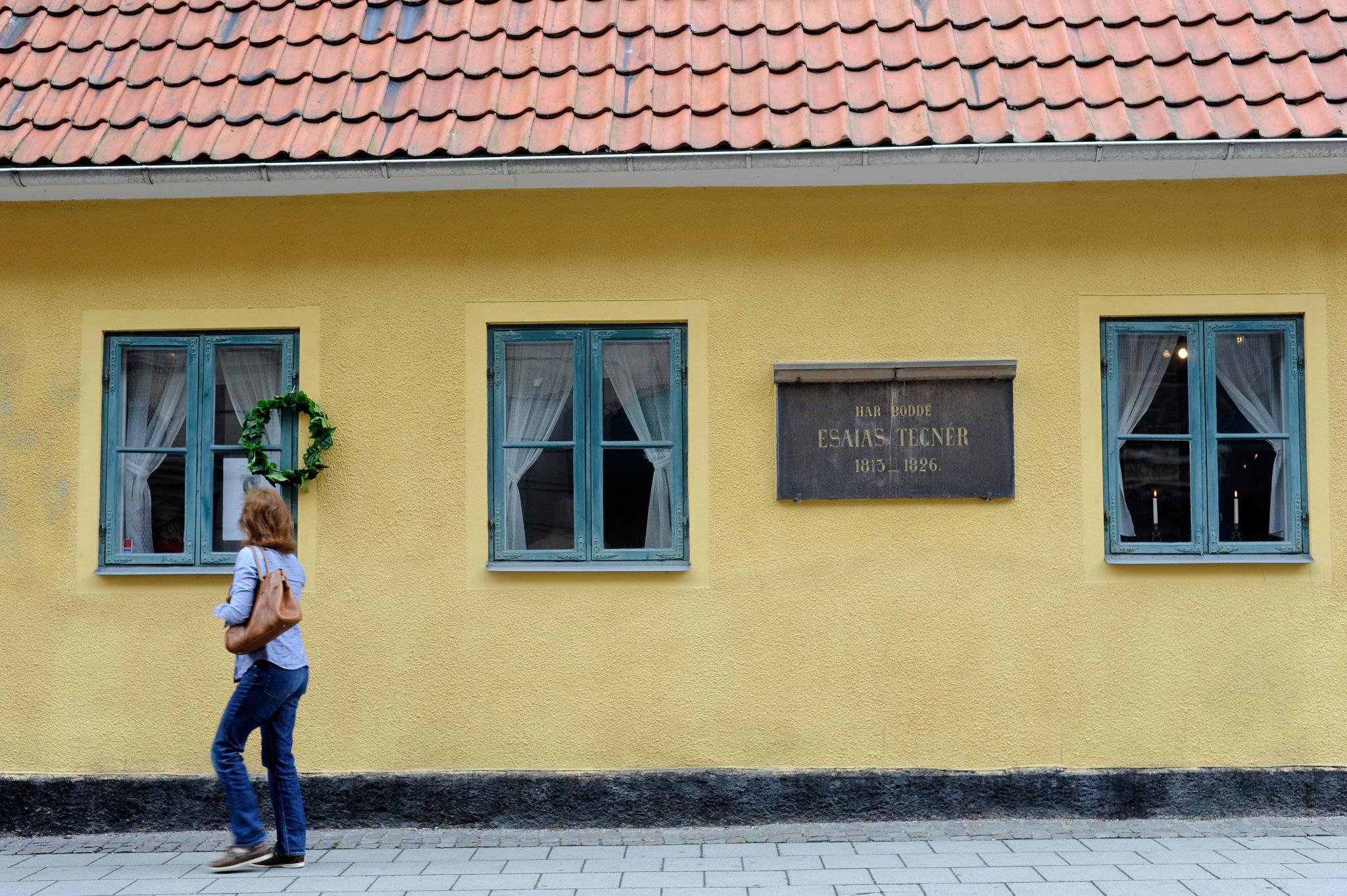
From 1813 to 1826, Tegnér lived with his family in a half-timbered house on Stora Gråbrödersgatan. At that time, he was a professor of Greek at Lund University and it was here he wrote his famous poetic works. Tegnér was one of the most famous cultural figures of the time and a prominent Lund personality. In 1824, he took the position of bishop in the Växjö diocese and left Lund in 1826.
Four of the house's rooms where Tegnér lived on Stora Gråbrödersgatan have been preserved as a museum. This is how Tegnér himself described the city house:
The residential wing includes, apart from a handroom, pantry, and kitchen, ten rooms, most of which are equipped with plaster ceilings, wallpapers, and ceramic stoves with brass doors. In the yard, there are two wings; one with a brewery, in which a built-in pan, packing house, wood sheds, carriage house, large stable, mangle board, and servant's chamber; the other of burnt brick and oak poles with a barn and two sheds.
The Oldest Literary Museum in the Nordic Countries
On June 3, 1862, a number of gentlemen acquired “the property formerly inhabited and used by the late bishop, etc., Esaias Tegnér” on Stora Gråbrödersgatan in Lund. The property was threatened with demolition but was saved by the Tegnér Foundation, which purchased it.
The foundation then established a museum and attempted to recreate Esaias Tegnér’s home with original furnishings and various Tegnér memorabilia.
The Tegnér Museum is the oldest literary museum in the Nordic countries. The Tegnér Foundation was started simultaneously with the museum to ensure its operation and maintenance, and responsibility lay with the Academic Association until 1997. Then, the museum and foundation were transferred to Kulturen.
Since its founding, the museum has acquired approximately 500 items related to Esaias Tegnér’s life and work. These are pieces of furniture that were in his possession, books, manuscripts, locks of hair, autographs, porcelain pieces, candles – even Tegnér’s “last snuff” is on display.
The museum's four rooms are a smaller part of the city courtyard where Tegnér lived from 1813 to 1826.